Christine
Kaiser

Christine Kaiser has spent more than three decades looking closely at amphibians and reptiles: measuring frogs in museum jars, tracking relict lizards across Colorado sandstone, untangling more than 160 years of confusion about Indo-Papuan groundsnakes, and now studying Japan's giant salamanders at Kyoto University. She has named 5 species new to science.
These pages collect the stories behind her 29 publications: animals that hid in plain sight, names that went astray, and the many people she has worked with along the way. The stories are told in her own voice.
Storylines
All 18 stories →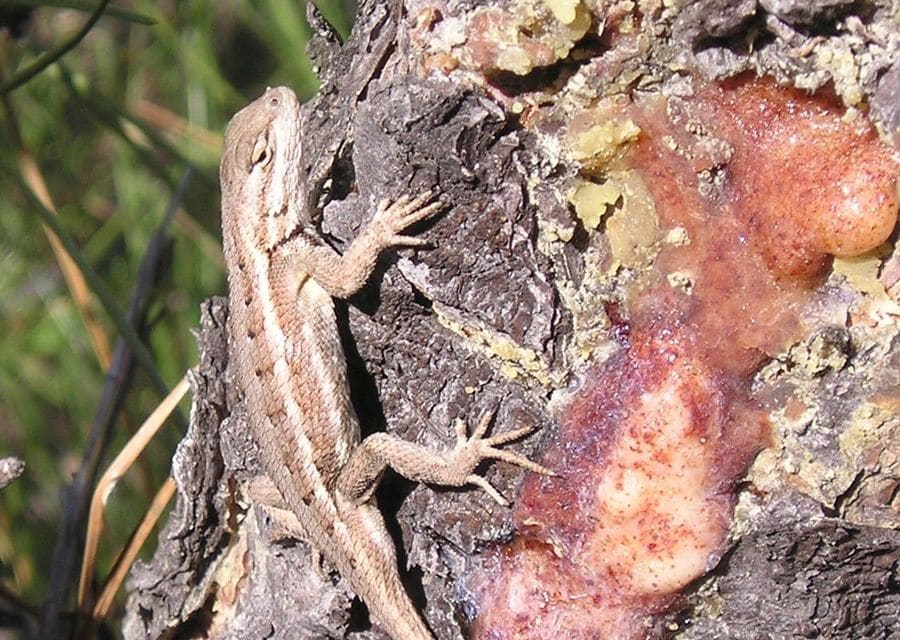

Did you know?
In a Paris museum, the original specimens of two different snakes, both named muelleri and both labelled 'Java', share one tall jar. Neither species lives on Java.
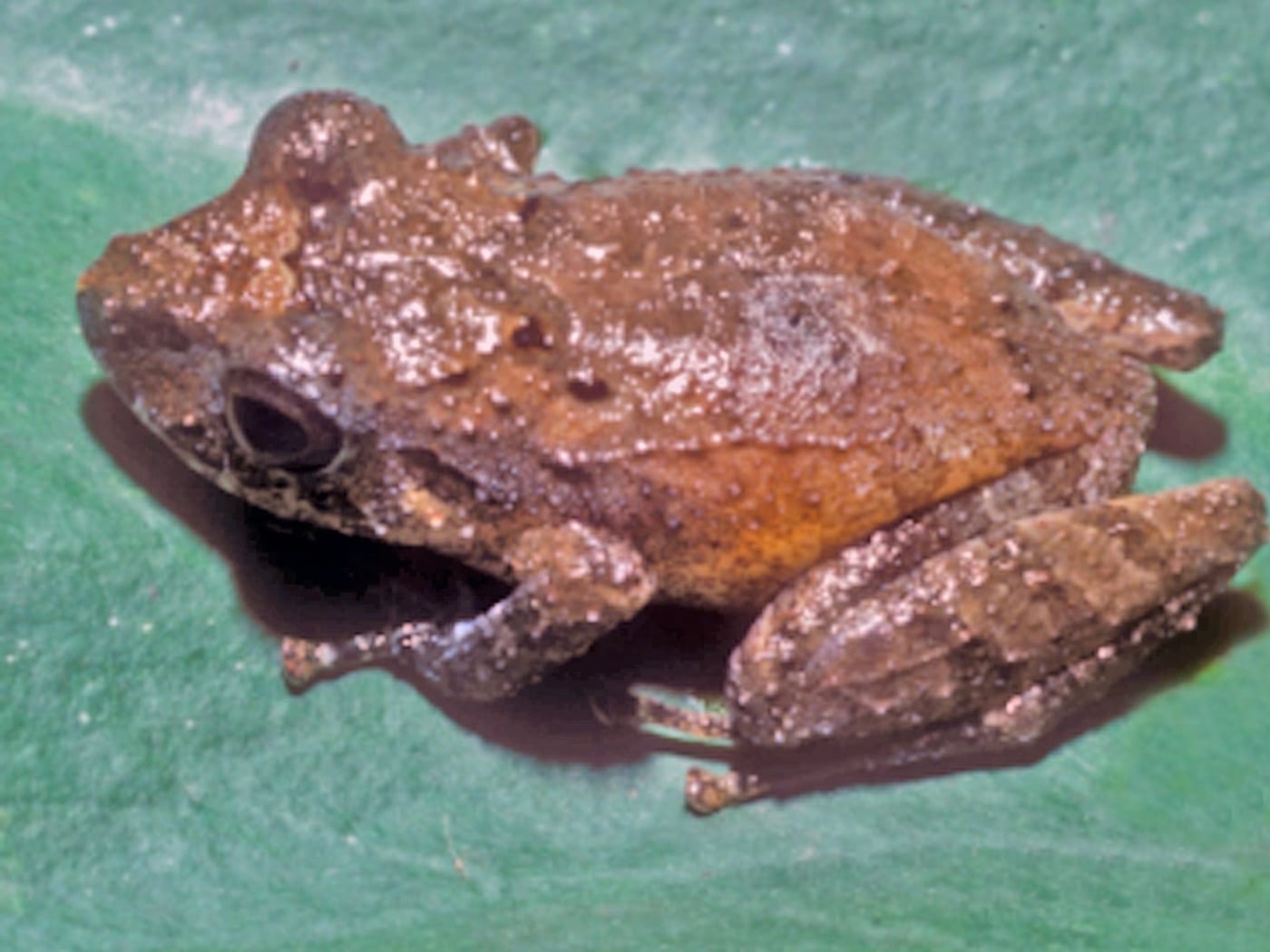
Christine Kaiser's email address is the name of a frog: lirellus, Latin for a little ridge of earth left by a plough, after the ridges along the frog's back.
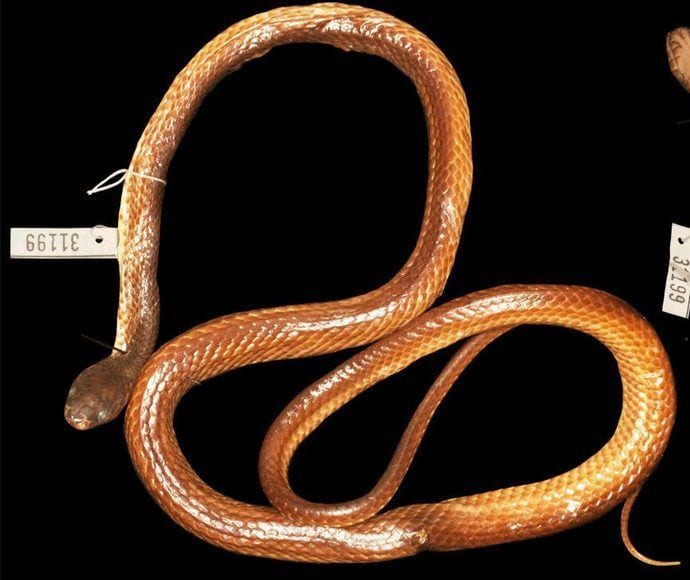
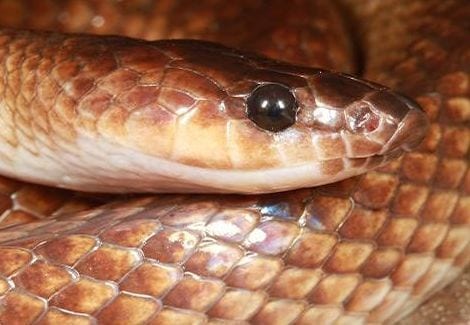
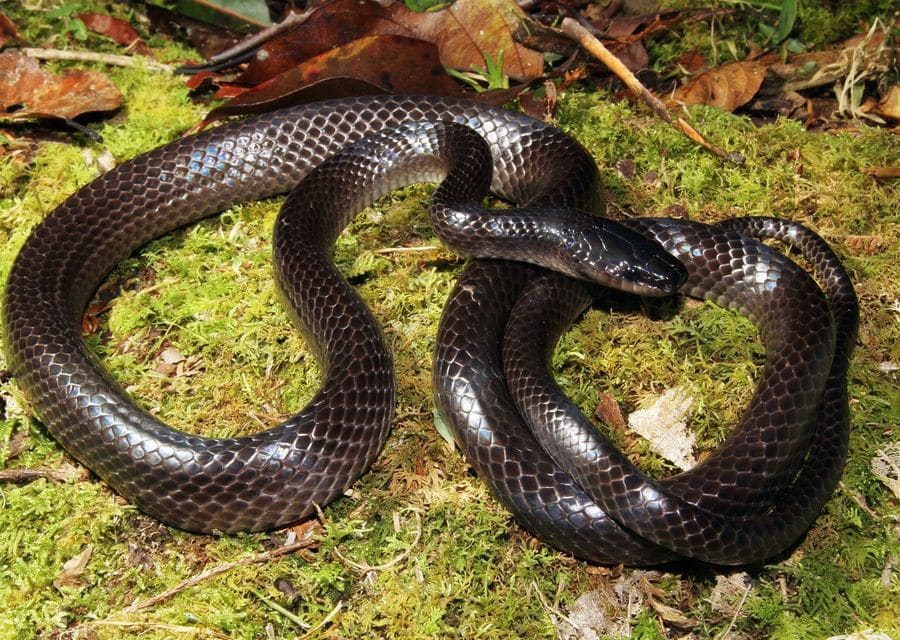
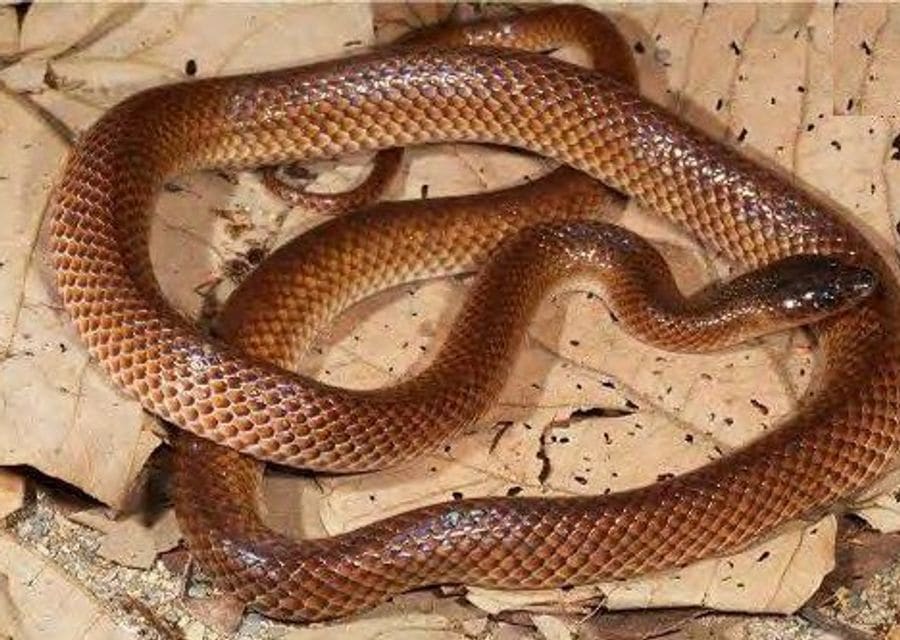
A snake collected by a missionary couple in New Guinea in 1953 sat in a Dutch museum under the wrong name for more than 50 years before it was recognised as a new species.
Measure a coiled museum snake along its back and it comes out about 25% longer than the same snake measured along its belly.
Christine's 1987 study of sleeping lizards in Costa Rica had to be cut short partly because a large wild cat was in the area.
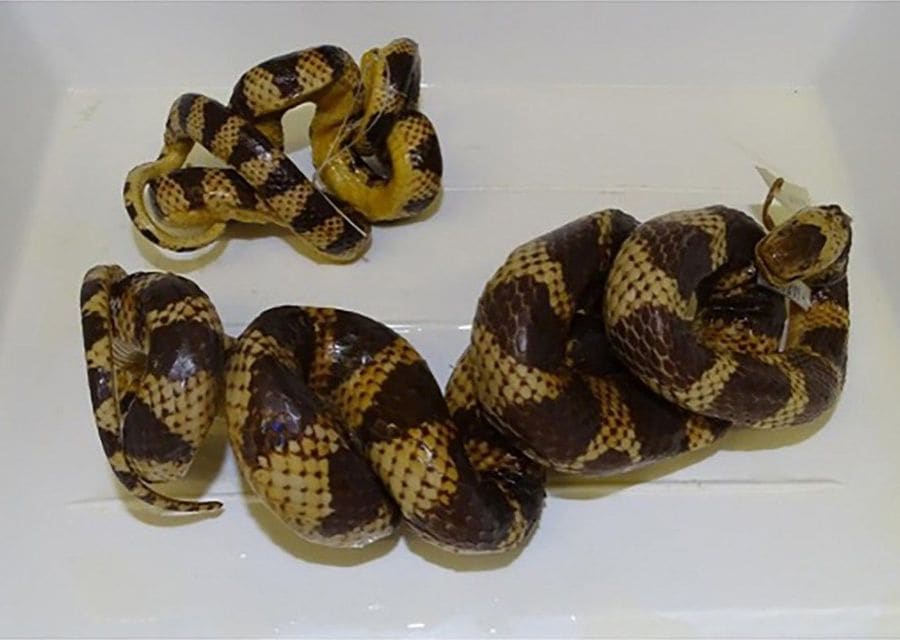
A rhinoceros ratsnake found in a bundle of bamboo in Vietnam looks like one species from its right side and a different species from its left.
The old name 'Dorery Bay' in New Guinea comes from the Biak word dore-ri, which already means 'bay', so it translates as 'bay bay'.
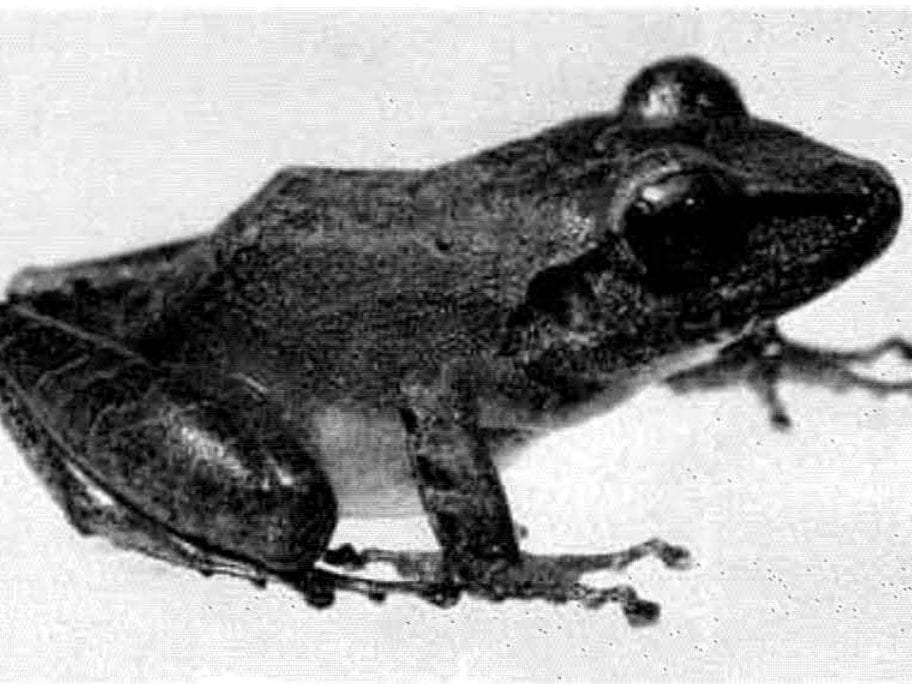
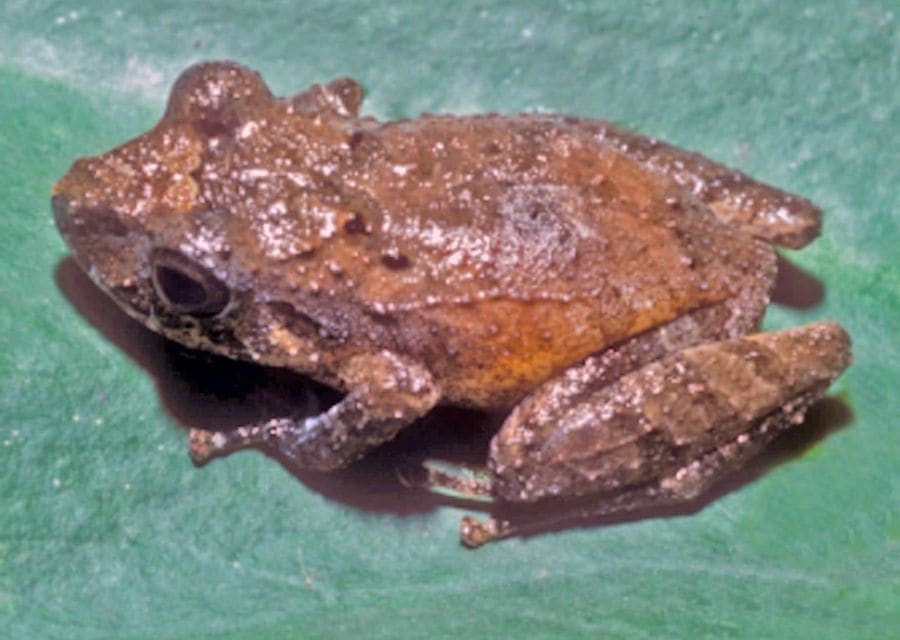
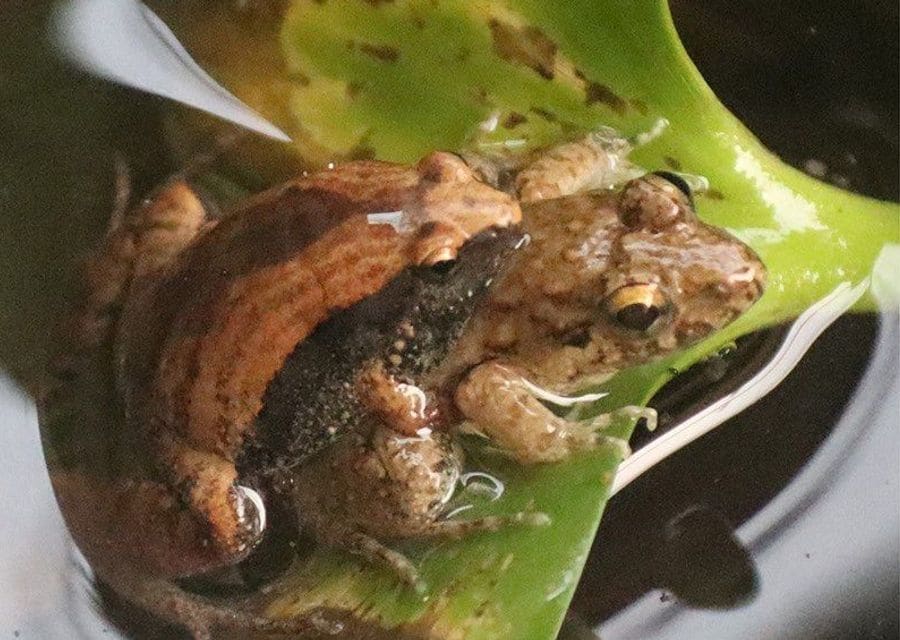
A tiny Peruvian frog's bright yellow spots fade in a museum jar, so Christine told it apart from five look-alikes using just three measurements: body length, head width and shin length.
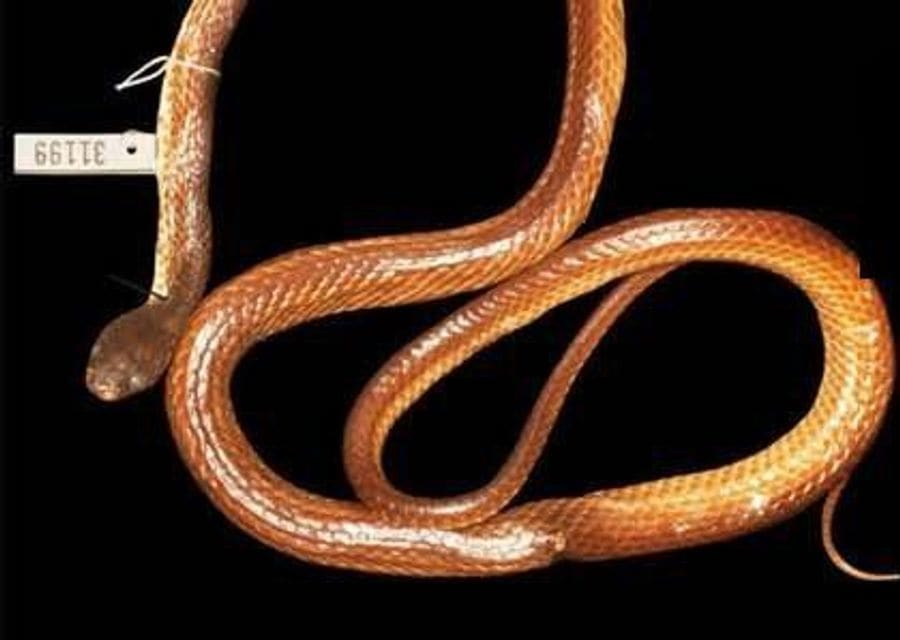
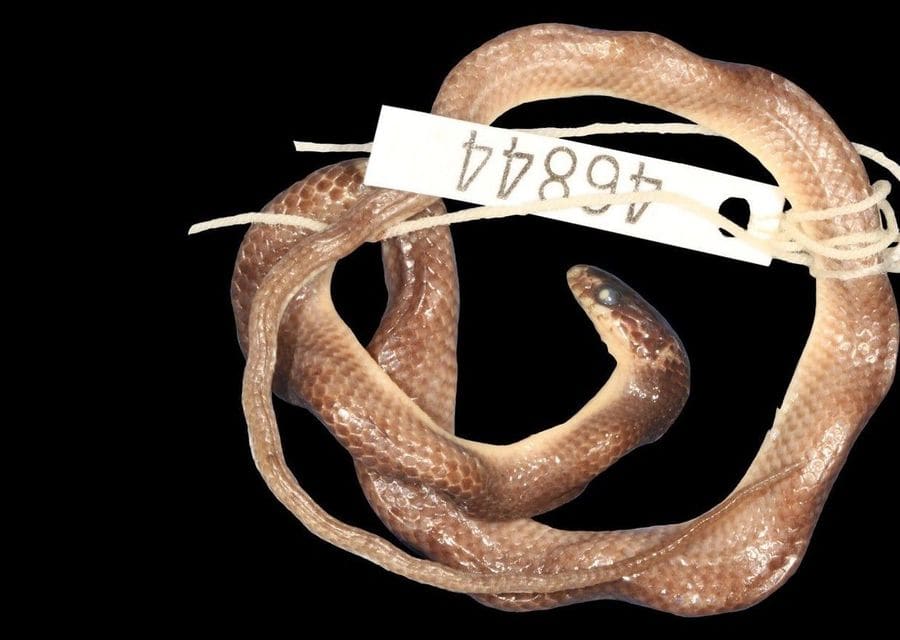
One preserved snake in Washington, DC is an official reference specimen for two different species at once.
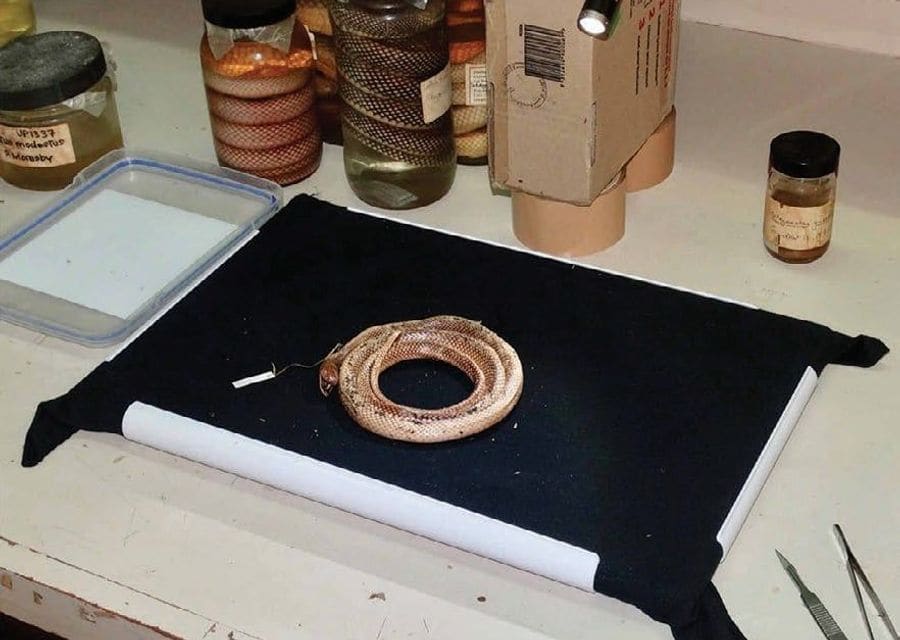
A black cotton T-shirt clipped into a crochet frame from a craft store makes a portable photo studio for snakes preserved in museum jars.
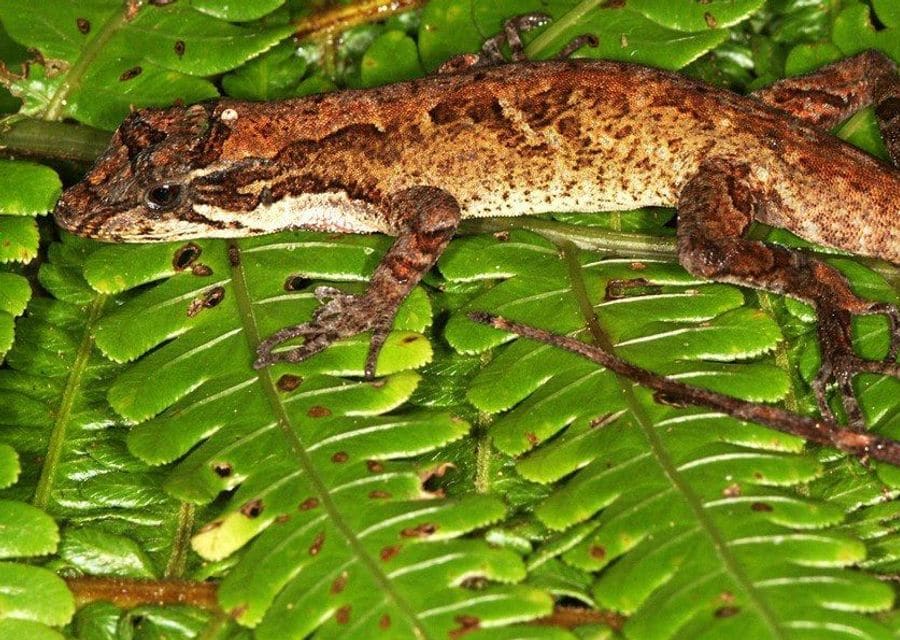
Costa Rica's cloud forest anoles prefer to sleep on fern leaves, usually with the head pointing toward the stem, perhaps so they can run down the plant to safety.
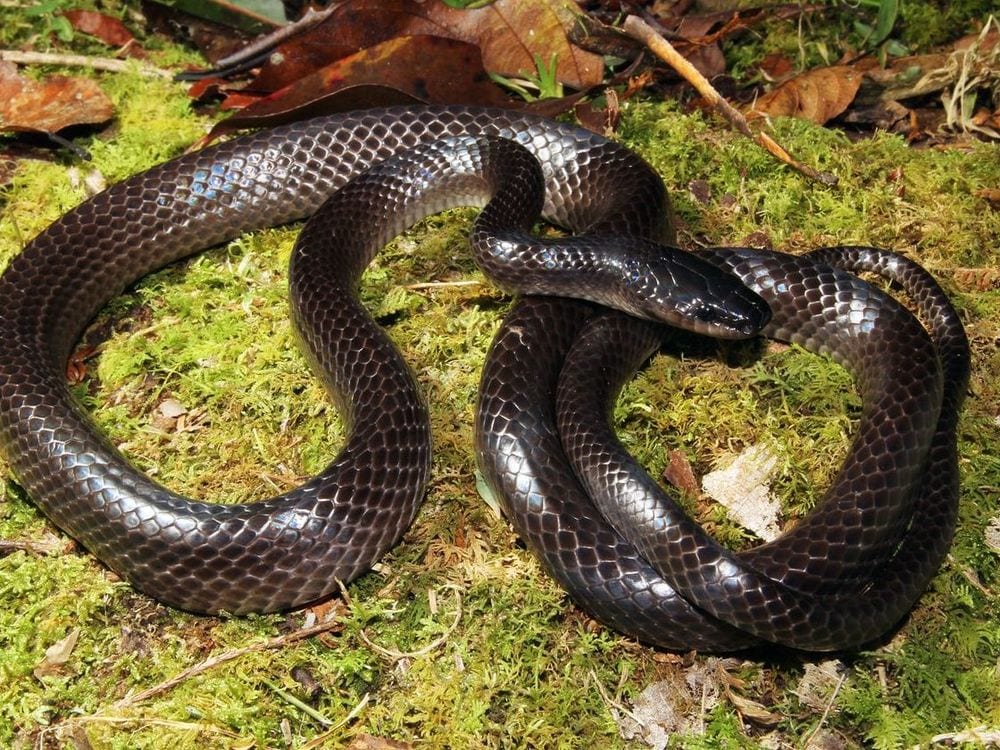
Angel's mountain keelback was given a genus of its own in 1929 because of a plate on its snout that turned out to be a hatchling's egg tooth. Nearly a century later, only eleven specimens are known.
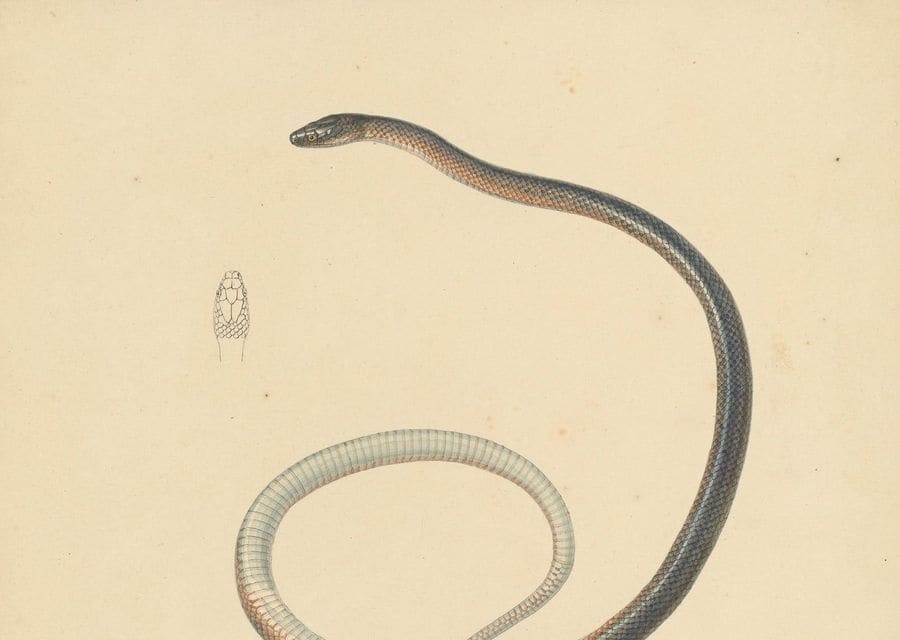
A snake's tail printed as 140 mm in an 1854 book measures 111 mm, perhaps because a handwritten '1' was misread as a '4'.
A few hundred fence lizards on a strip of Colorado sandstone are the last survivors of two lizard forms that mixed during warm spells thousands of years ago.
The name of the Timor groundsnake was suggested by José Ramos-Horta, a Nobel Peace Prize winner and former president of Timor-Leste.
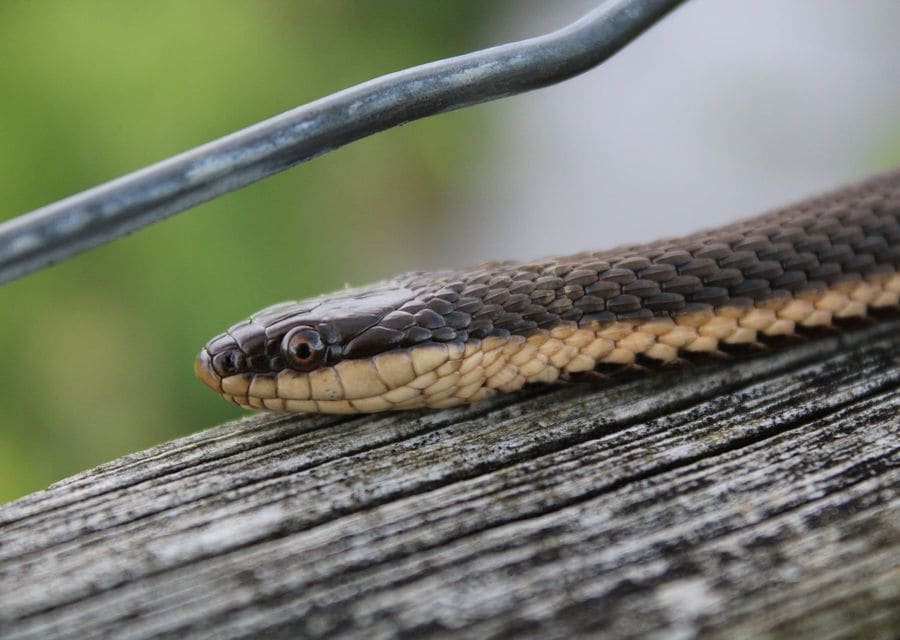
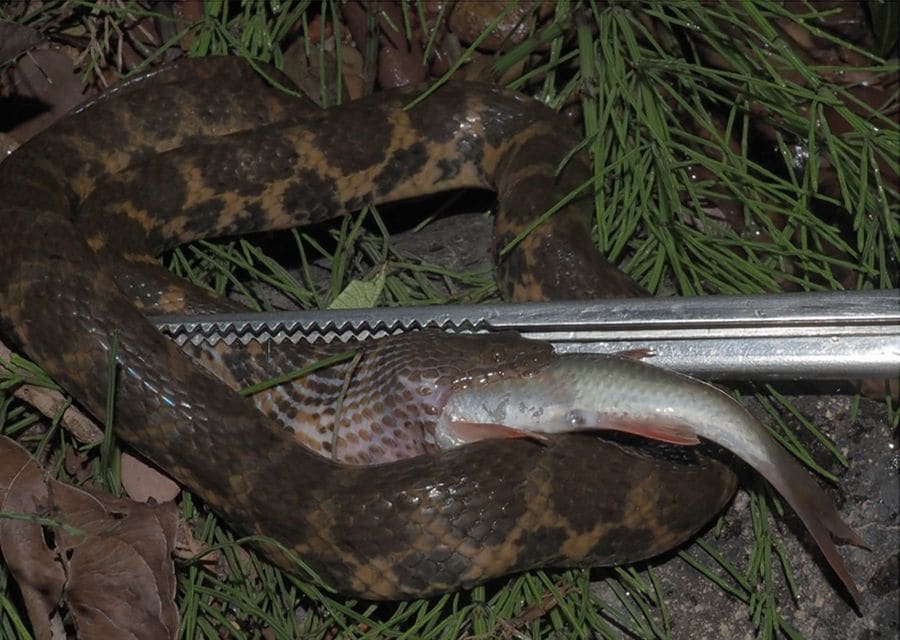
Queen snakes and Graham's crayfish snakes eat crayfish mainly just after a moult, while the new shell is still soft.
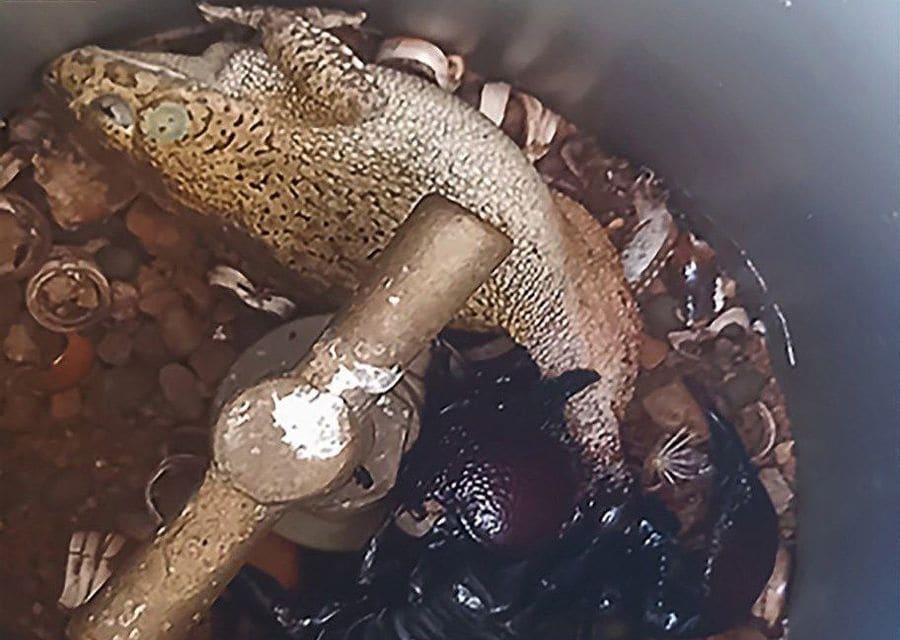
An emperor scorpion weighing about 16 grams caught and ate a 30-gram toad in a garden in Ghana, ignoring the toad's poison.
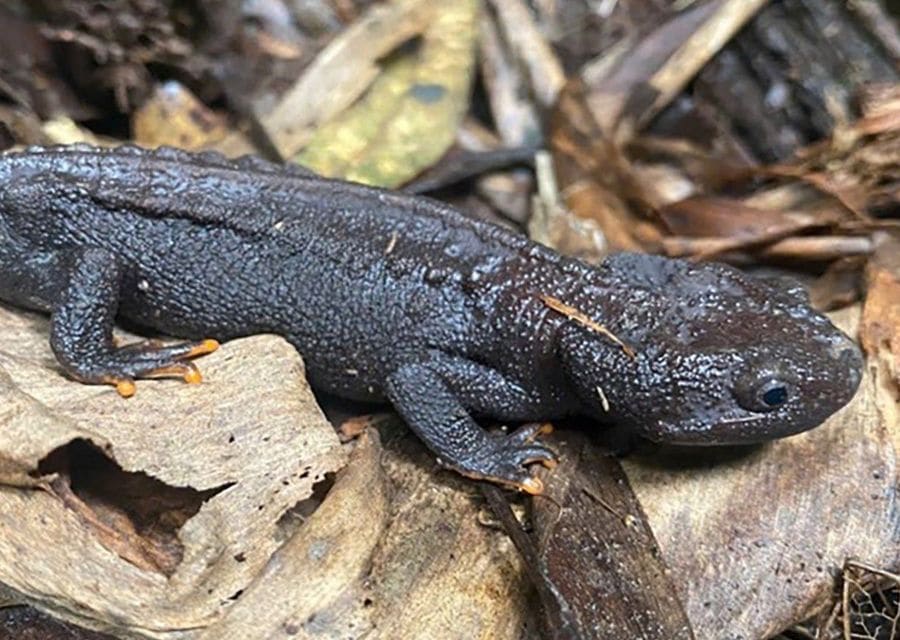
A Vietnamese national park of more than 150 square kilometres holds an estimated 70 Pasmans's crocodile newts, and 28 of the 32 found there were in a single pond two metres across.
Three words printed under a Japanese toad's name in 1826, long read as places nobody could find, were really Japanese words for 'toad'.
The toe bones said to define the Jemez Mountains salamander turned up in only one hind foot in four.
The only toad in Timor-Leste is an invader, and people there call it Manduku INTERFET, after the international peacekeeping force.