Reading Supper in a Skull
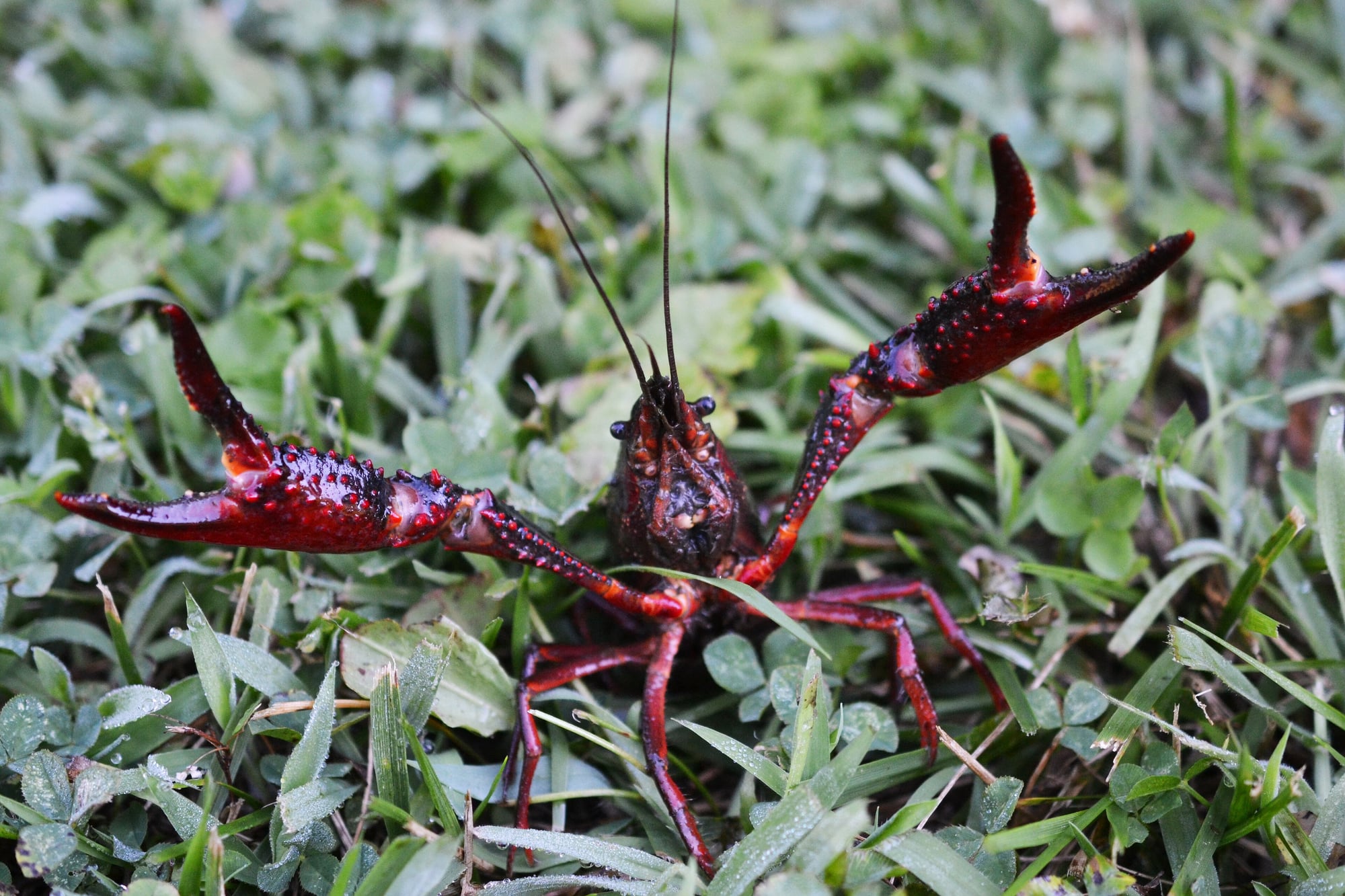
Photo: Rebecca Hawkins, CC0, via Wikimedia Commons
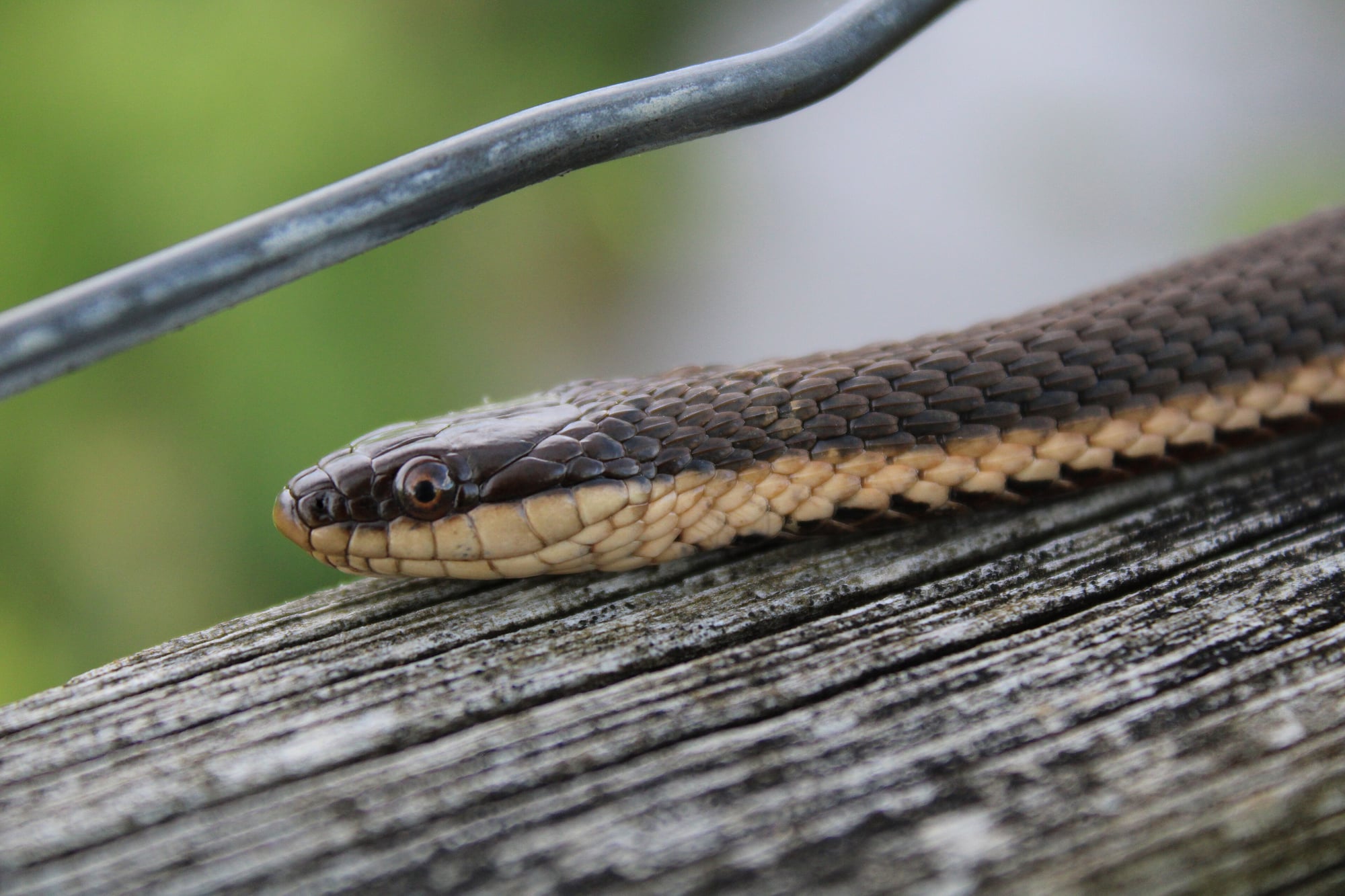
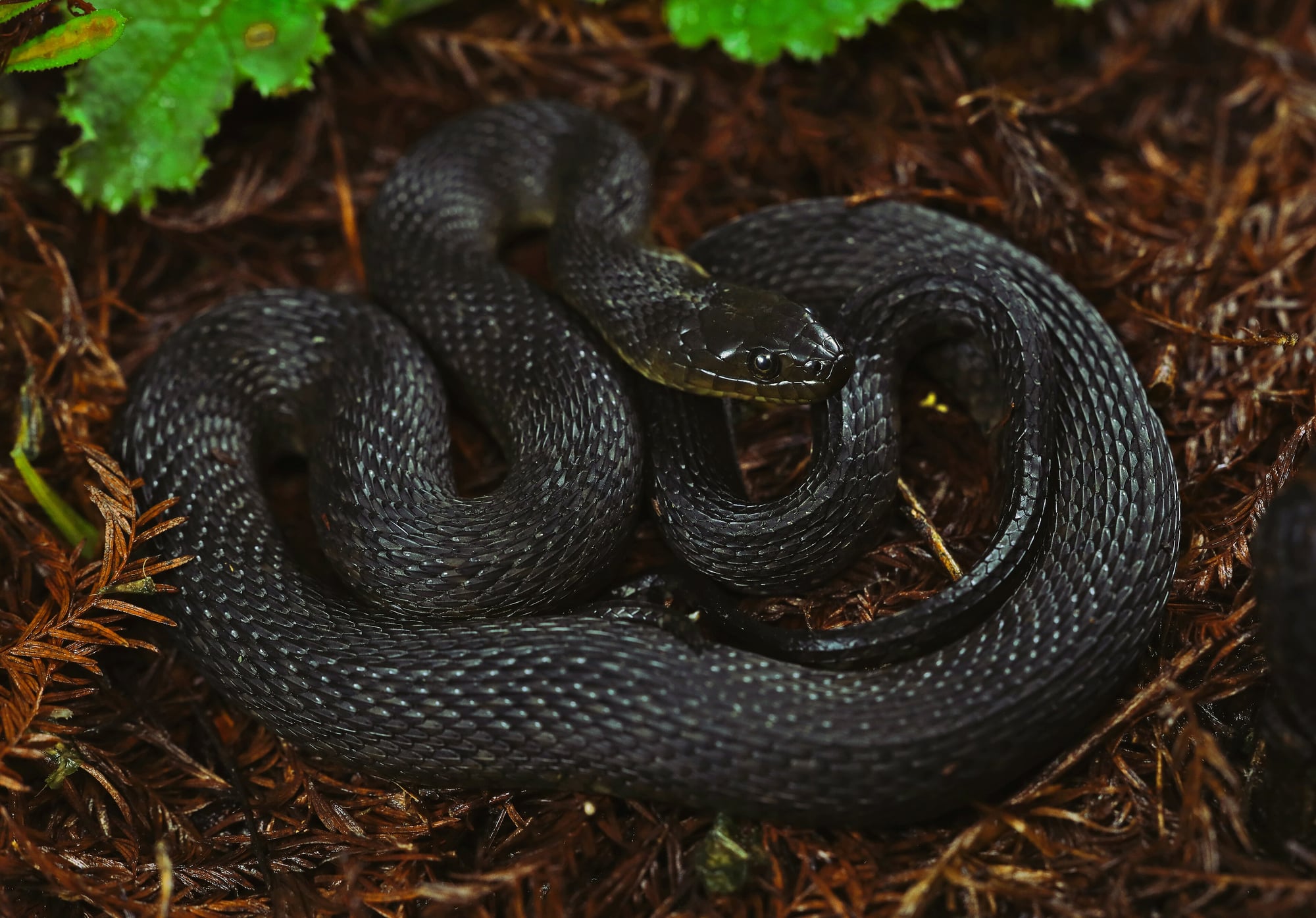
A crayfish is a well-armoured meal. It wears a hard shell and carries a pair of pinching claws. Yet in the streams and swamps of eastern North America live snakes that eat almost nothing else. Some of them have a trick: they catch crayfish just after a moult, when the old shell has been shed and the new one is still soft. A few go further and tackle crayfish in full armour.
Long before I worked on the groundsnakes of New Guinea, these crayfish eaters and their cousins, the watersnakes, were the subject of my Master's thesis. At the University of Colorado in Boulder, I asked a simple question: does a snake's skull tell you what it eats?
A skull that walks
A snake's skull is not one solid box. It is the most complex set of bones in a snake's body, and many of those bones are only loosely connected, so they can move against each other. The left and right halves of the upper jaw move independently, and so do the two halves of the lower jaw. When a snake swallows, it advances one side of its skull over the prey, then the other, as if its mouth were walking over its meal.
In the snakes I studied, even the tip of the snout is movable. It is made of four small bones that are only loosely attached to the rest of the upper jaw, which gives extra flexibility while swallowing.
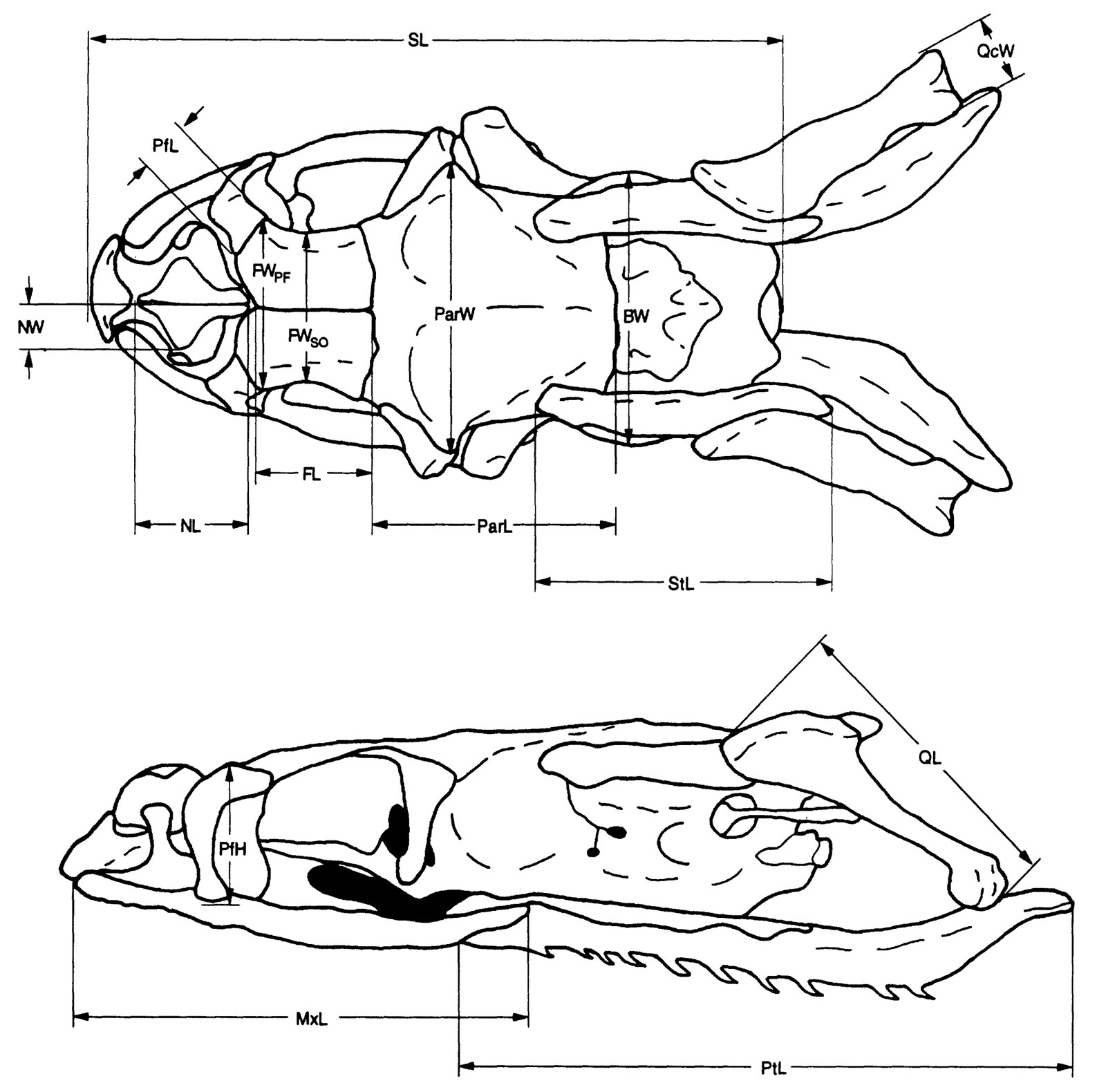
Because the skull is so directly involved in feeding, it seemed the best place to look for signs of a snake's diet.
Six snakes, 21 measurements
We compared six species that are close relatives. Two were watersnakes of the genus Nerodia. The diamond-backed watersnake (N. rhombifer) eats mainly fish as an adult, and the plain-bellied watersnake (N. erythrogaster) eats frogs, fish and possibly crayfish. The other four were the crayfish specialists then placed in the genus Regina:
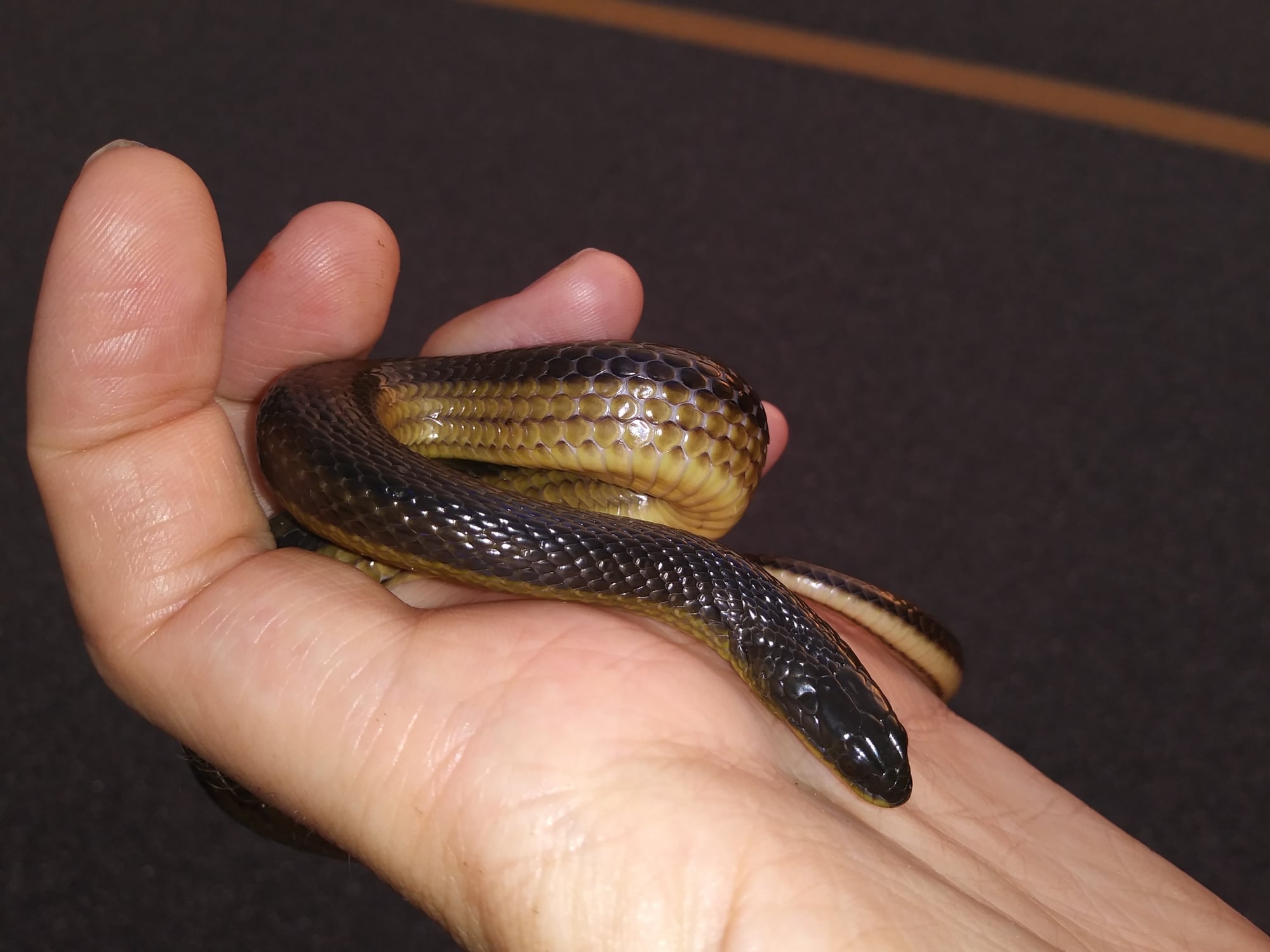
- the queen snake (R. septemvittata) and Graham's crayfish snake (R. grahamii), which eat soft, freshly moulted crayfish;
- the striped swampsnake (R. alleni), which as an adult eats hard-shelled crayfish;
- the glossy swampsnake (R. rigida), whose diet was less well known, but whose young took both hard and soft crayfish in experiments.
The striped and glossy swampsnakes also constrict their prey, wrapping coils around it.
The work was done on skeletons from museum collections, borrowed from Louisiana State University, the University of Michigan, the University of Kansas, the University of Texas at Arlington and the University of Florida. On each skull we measured up to 21 features to a tenth of a millimetre, using dial calipers or a measuring scale inside a microscope eyepiece: the length and width of the snout bones, the width of the braincase, the length of the jaw bones, and more. The final data set covered 55 skulls. Then came the statistics, a set of methods that look for patterns in many measurements at once.
The research was funded by a grant from the Walker Van Riper Fund through the University of Colorado. The thesis was finished in 1991, and in 1997 Hinrich and I published the results in the Journal of Herpetology. Both carry my maiden name, Christine Dwyer.
What the skulls said
The first result was reassuring. From their measurements alone, the analysis sorted the skulls into the right species almost perfectly. With one way of handling the data it got all 55 right; with another it misplaced just one. The four Regina species, analysed on their own, were sorted correctly every time.
The second result was the interesting one. On a plot of the results, the two species that eat hard-shelled crayfish, the striped and glossy swampsnakes, sat at the extreme edges. The queen snake and Graham's crayfish snake, the soft-crayfish eaters, lined up more closely with the fish- and frog-eating watersnakes than with their own two relatives. The features that set the hard-crayfish eaters apart involved the bones of the snout and the top of the head.
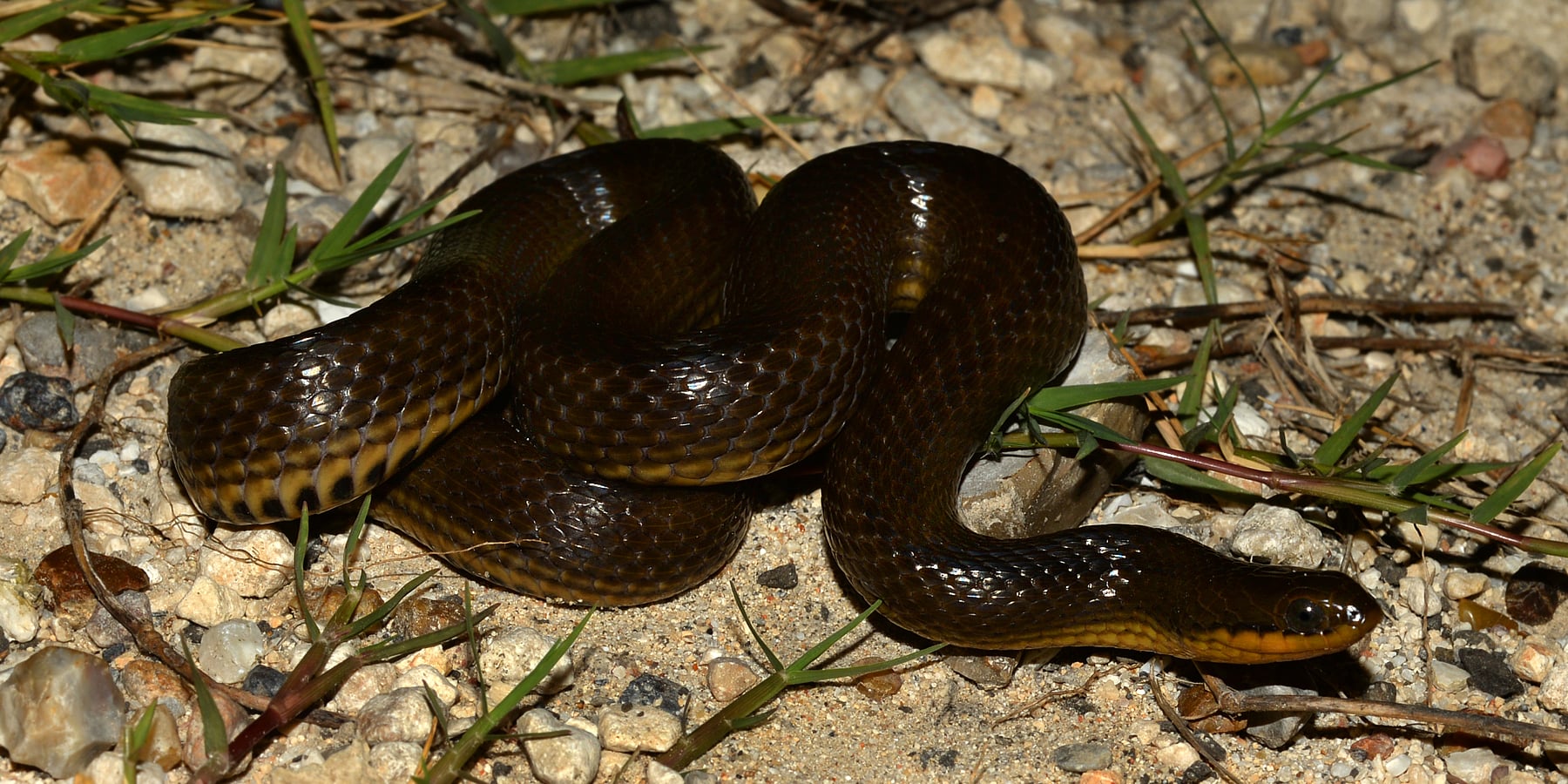
There is a postscript. In 2015, a genetic study of North American watersnakes and their relatives moved the striped and glossy swampsnakes out of Regina and into a genus of their own, Liodytes. The queen snake and Graham's crayfish snake stayed in Regina. Our skulls had already set those two pairs apart, although we had read the pattern as a sign of diet, not ancestry.
A crayfish in the swamp
A short paper from 1993, written with Lance Fontenot and Steven Platt of Clemson University while I was at the University of Kansas, looked at crayfish from the watersnakes' side. It began with an observation in a Louisiana swamp.
At 10:41 pm on 30 May 1989, at Alligator Bayou in Ascension Parish, a male Mississippi green watersnake (Nerodia cyclopion) was seen foraging in clear water, swinging its head slowly from side to side with its jaws slightly open. It touched a red swamp crayfish and seized it at once. The crayfish was moulting, so it had no hard shell. The snake twisted its head and body, positioned the crayfish and swallowed it tail-first, all within 30 seconds.
Why did one meal deserve a paper? Watersnakes of the genus Nerodia mainly eat fish and frogs, and crayfish remains found in their stomachs had often been explained as leftovers: the snake had eaten a fish that had eaten a crayfish, and the crayfish's tough shell simply lasted longer in the snake's stomach than the fish did. The observation showed that watersnakes do sometimes catch crayfish themselves.
Still, crayfish were a minor dish. Of 60 green watersnakes examined from the same place, only one other had crayfish in its gut, as did 3 of 29 banded watersnakes and 1 of 24 diamond-backed watersnakes. But we pointed out a catch. A freshly moulted crayfish has no hard shell to survive digestion, so crayfish may be eaten more often than stomach contents reveal. We suggested that future diet studies note the size of crayfish remains and how digested they are.
The 1997 skull paper thanks Lance for helping with fieldwork and for transport across the swamps of Louisiana. Almost thirty years later, that paper turned up again in the opening paragraph of our study on measuring coiled snakes, as an example of how closely a snake's size and shape are tied to the way it lives.
The papers
- (1991) Skull morphology and prey preferences in North American watersnakes, Nerodia and Regina Master's thesis, University of Colorado, Boulder
- (1993) Observations on crayfish predation by water snakes, Nerodia (Reptilia: Colubridae) Brimleyana 19: 95–99
- (1997) Relationship between skull form and prey selection in the thamnophiine snake genera Nerodia and Regina Journal of Herpetology 31: 463–475