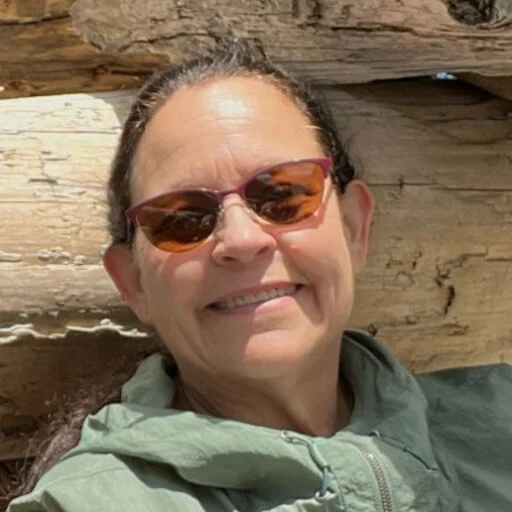
About Christine
Christine Kaiser has spent more than three decades looking closely at amphibians and reptiles: measuring frogs in museum jars, following lizards across Colorado sandstone, untangling the history of Indo-Papuan groundsnakes, and now studying Japan's giant salamanders.
Follow her life path on the mapFrom Santa Barbara to the cloud forest
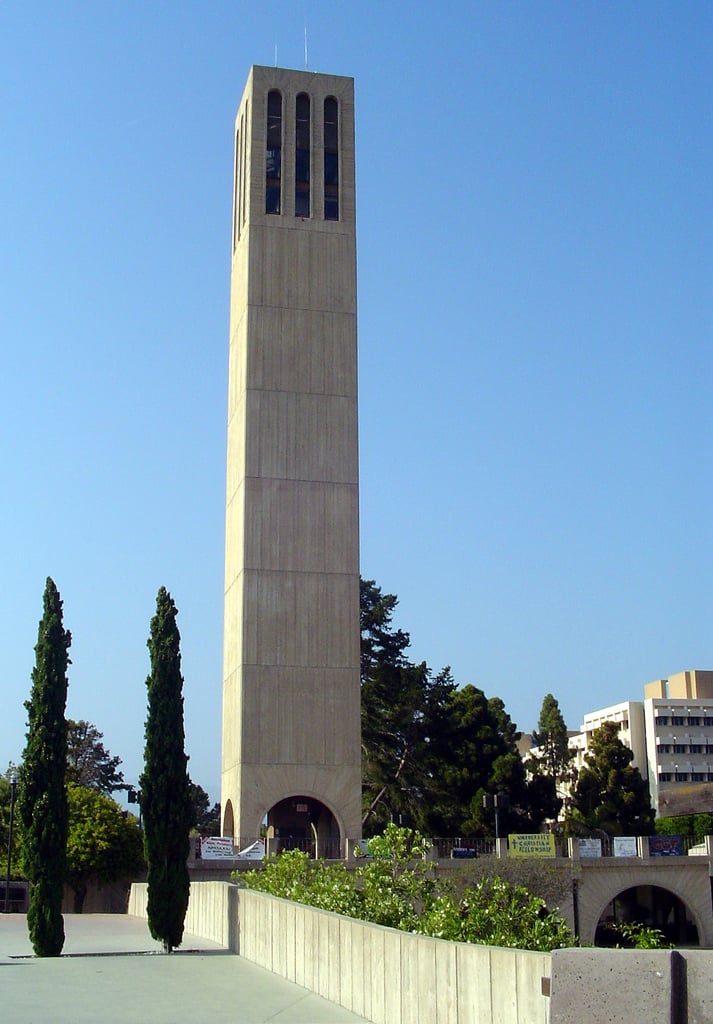
Christine Kaiser, born Christine Dwyer, studied biological sciences at the University of California, Santa Barbara, from 1982 to 1987, and worked there as a research assistant in biochemistry and limnology, the study of lakes and other inland waters.
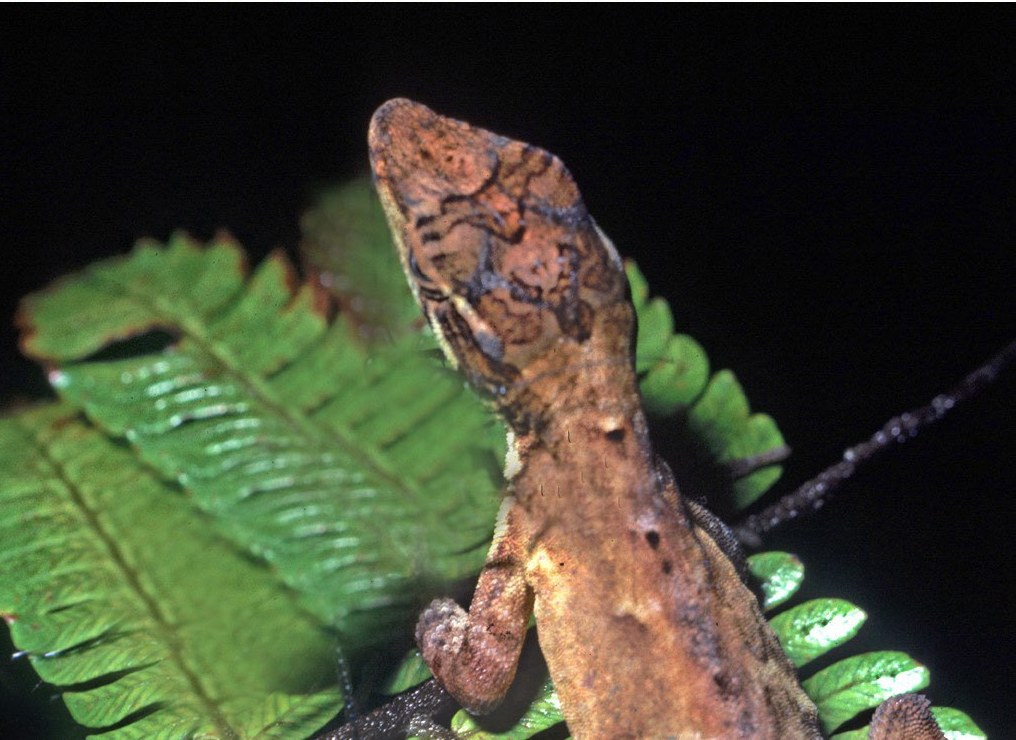
In the spring of 1987, through UCSB's study-abroad programme, she was in Costa Rica. From 17 April to 25 May, between seven in the evening and midnight, she walked the trails of the Monteverde Cloud Forest Reserve with a headlamp, checking whether individual sleeping anoles came back to the same leaf night after night. Some did. She published the observations with Hinrich Kaiser in 2021, 34 years later: Home, Sweet Fern Leaf.
Skulls, toes and lizards in Colorado
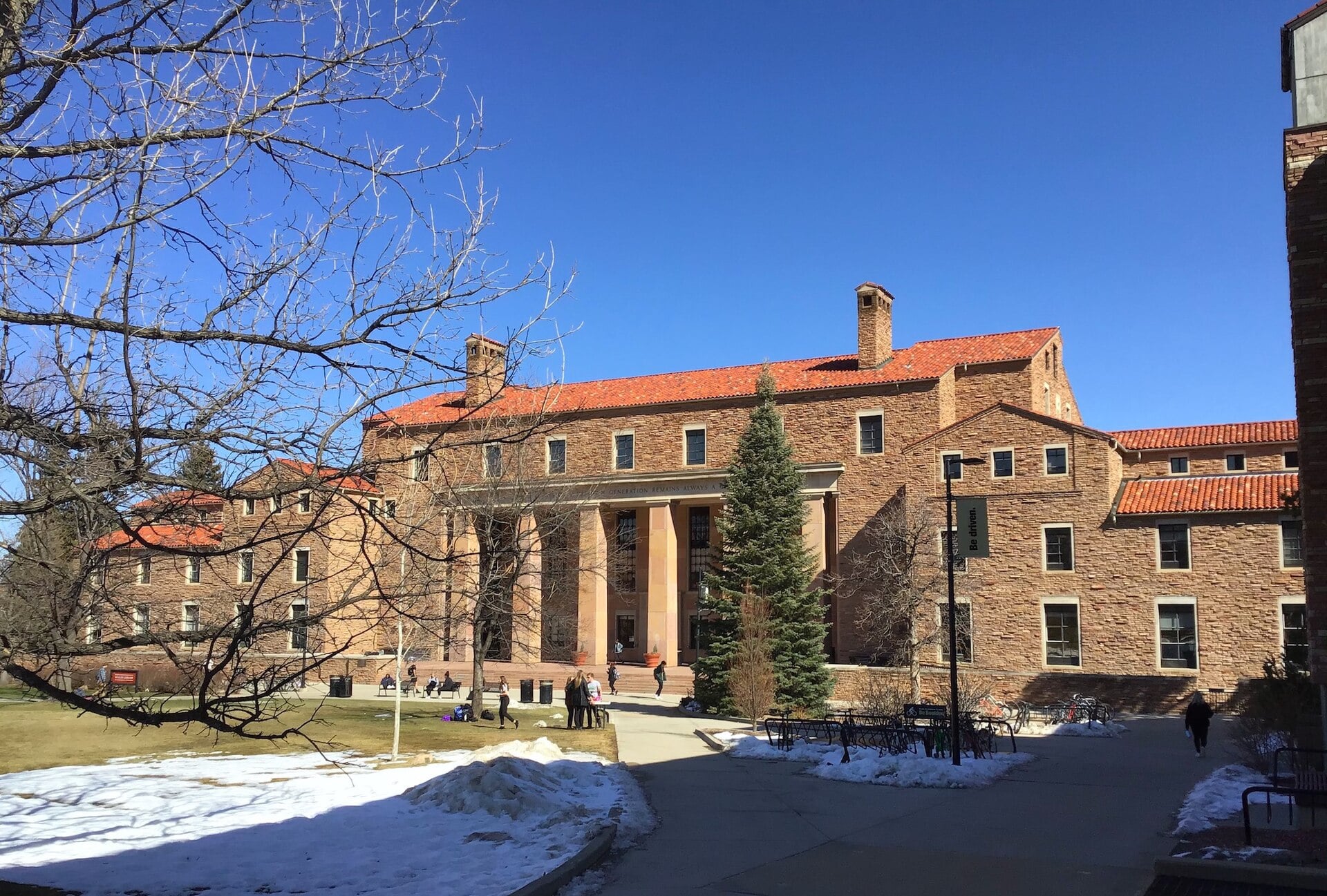
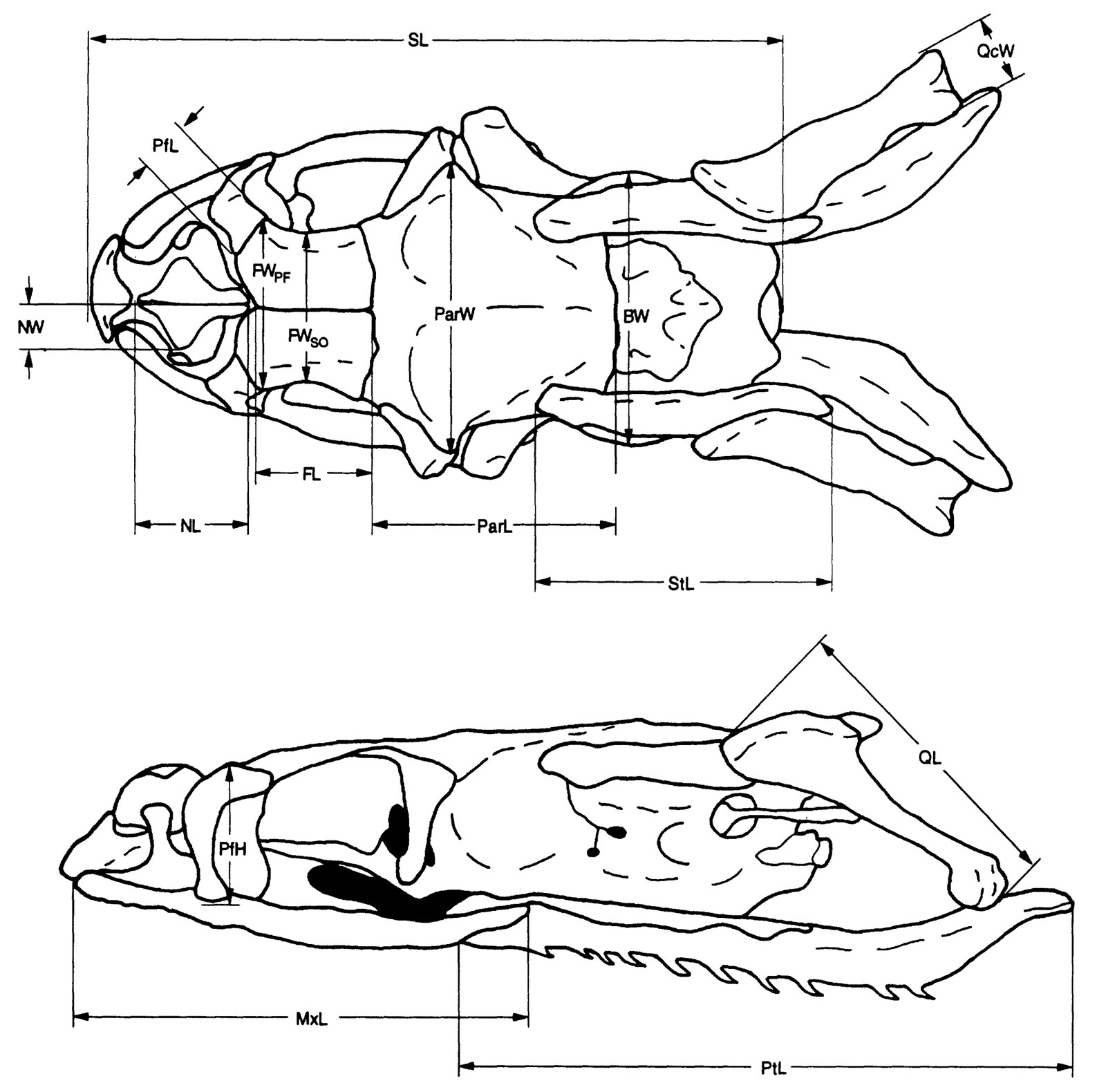
In 1987 Christine moved to the University of Colorado Boulder for a master's degree, completed in 1991. Her thesis asked whether the shape of a snake's skull tells you what it eats, by comparing North American watersnakes with their crayfish-eating relatives. It became a paper with Hinrich Kaiser in the Journal of Herpetology in 1997: Reading Supper in a Skull.
Boulder also brought her first publication, a 1990 study with James Hanken of the limb bones of the Jemez Mountains salamander, and fieldwork with the legendary herpetologist Hobart M. Smith on an isolated population of fence lizards on the Colorado plains: The Lizards Time Left Behind.
Museum drawers and chromosomes
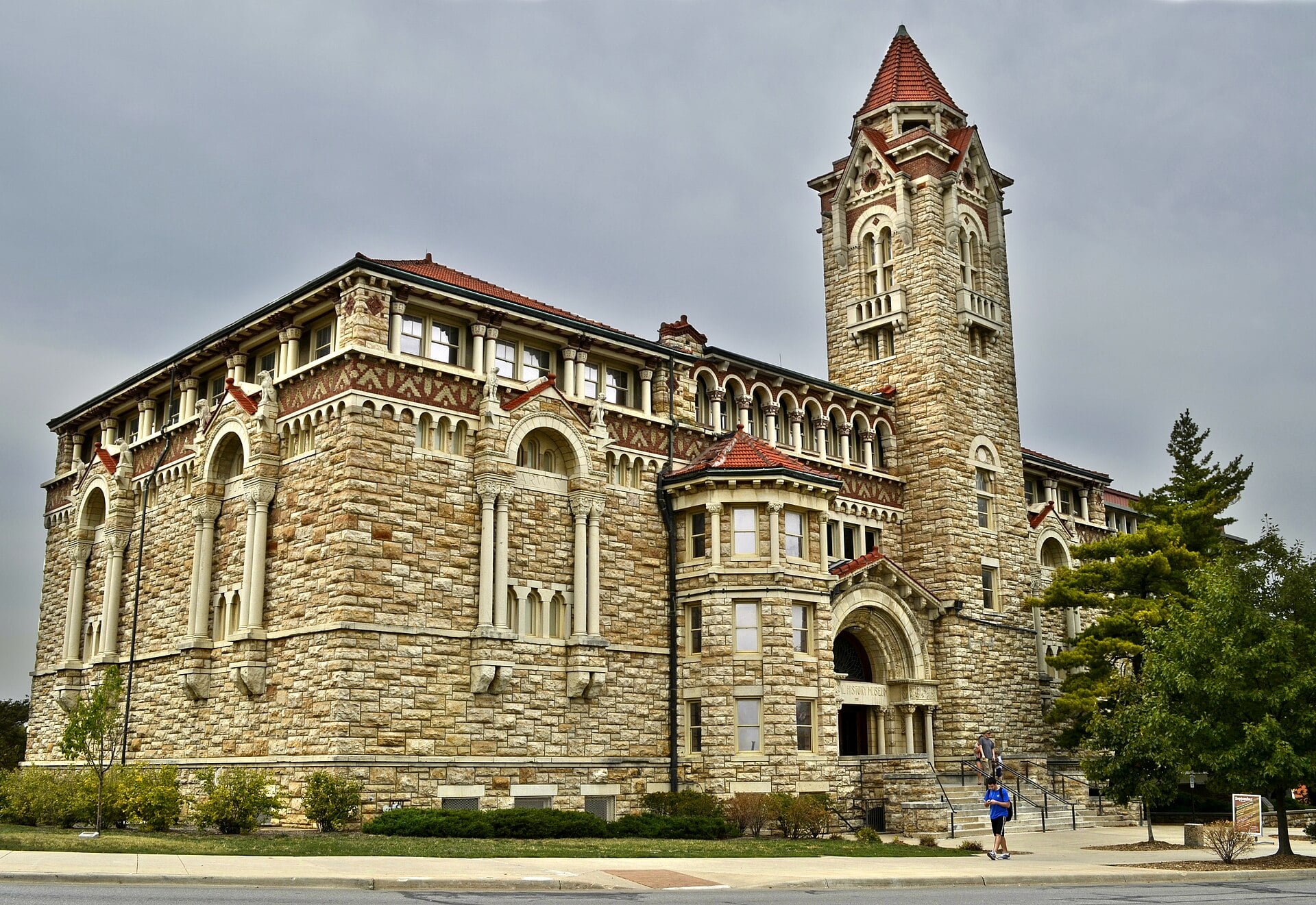
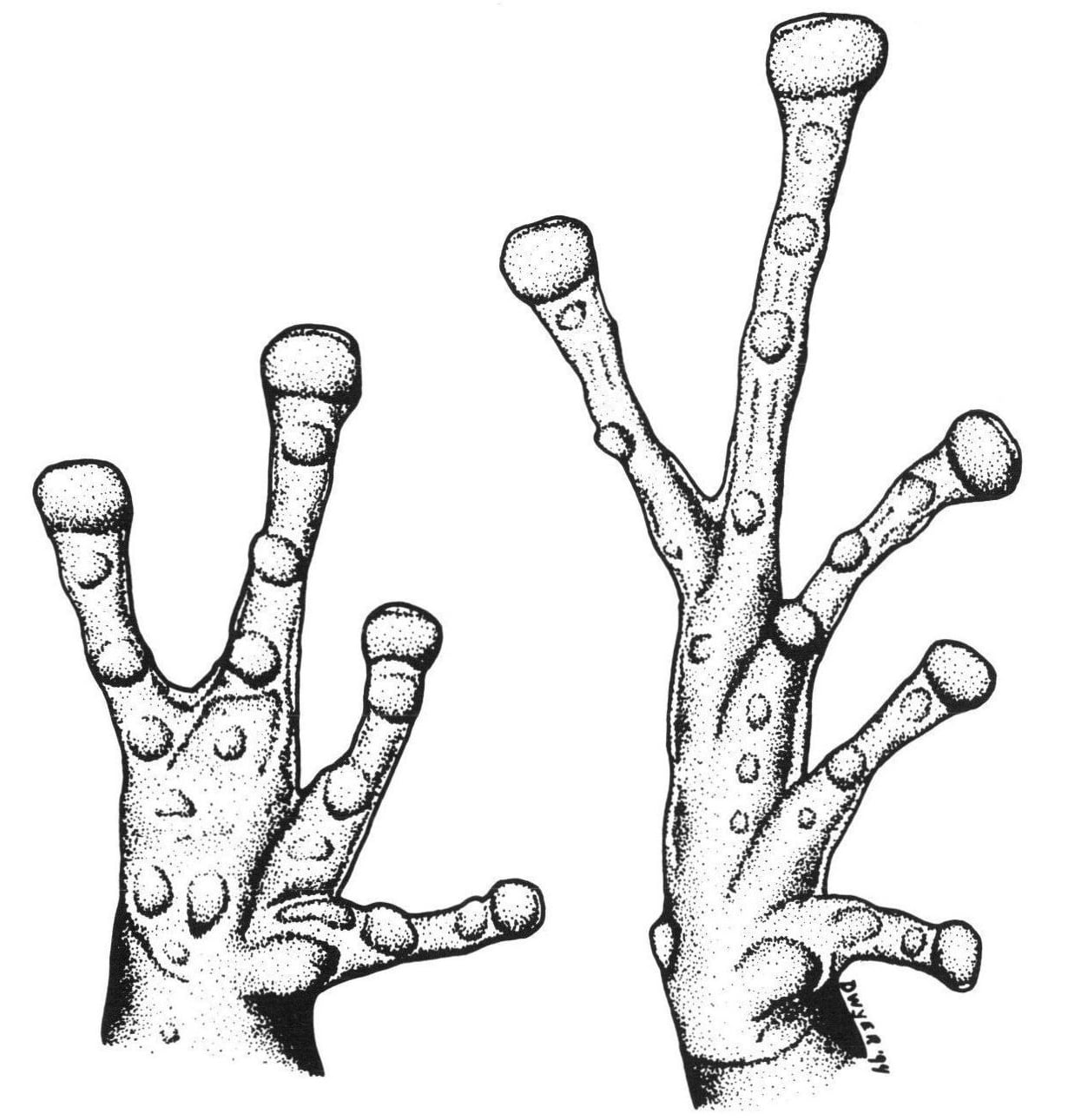
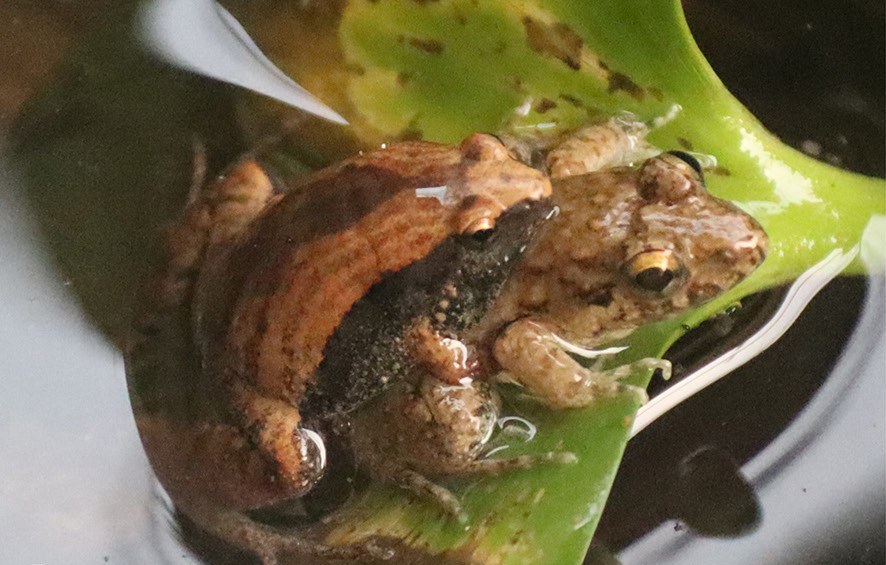
In August 1990 Christine began PhD studies in zoological taxonomy at the University of Kansas in Lawrence. She was a curatorial assistant in the museum's herpetology collections and a research assistant in histology, the study of tissues under the microscope. She taught human anatomy and environmental studies laboratories, served her fellow graduate students as treasurer, departmental representative and in student government, and chaired the Committee for Graduate Student Participation of the American Society of Ichthyologists and Herpetologists. At Kansas she took on the description of a new frog from Perú, measuring and drawing museum specimens. She named it Eleutherodactylus lirellus in 1995, and the name became her email address: A Frog Named for a Furrow.
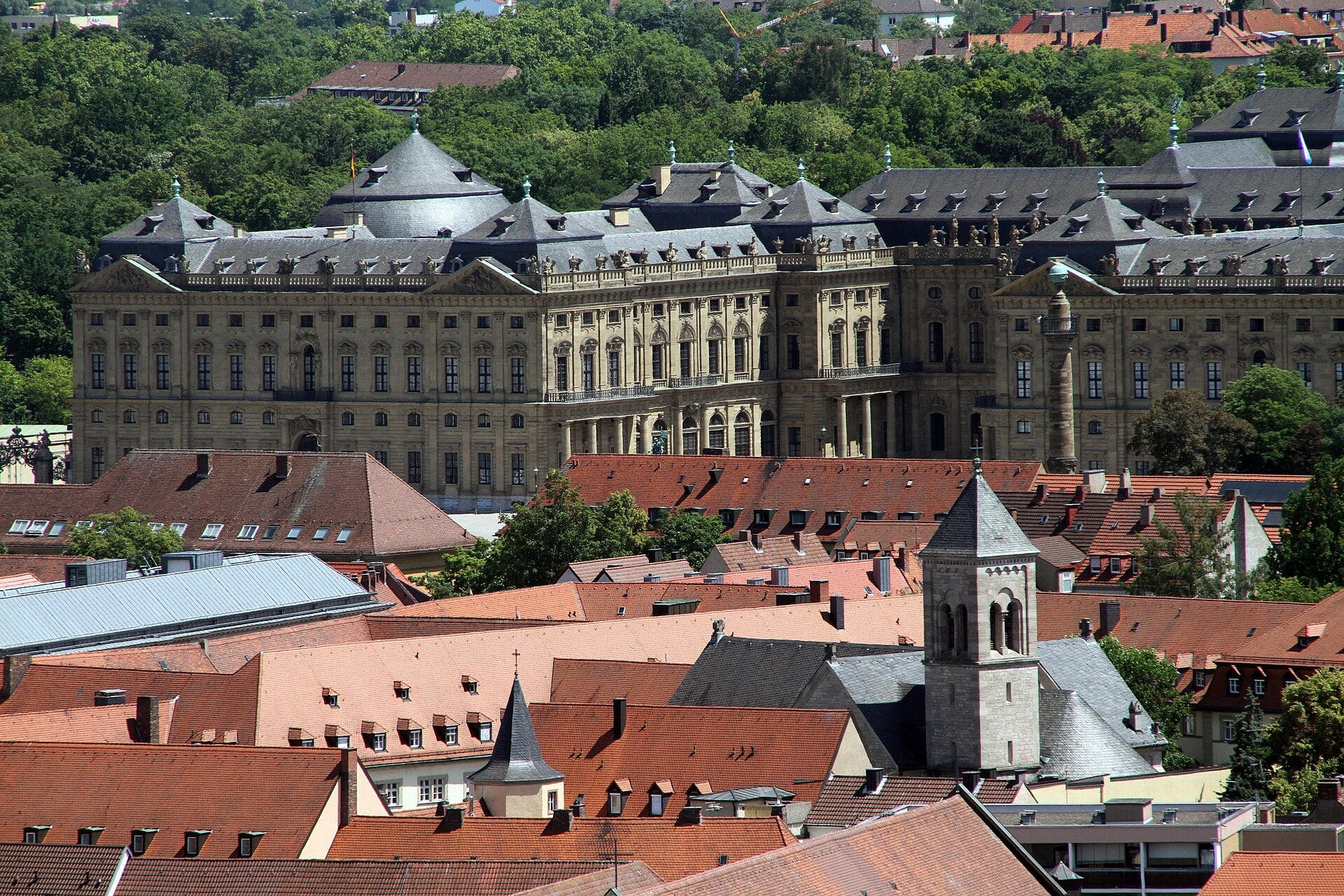
She then worked in Würzburg, Germany: as a scientific-technical assistant in chromosome testing before and after birth at the university's Institute of Human Genetics, and as a laboratory biologist for in vitro fertilisation at the Wiedemann Fertility Clinic. Colleagues from the institute were co-authors on her second new species, a frog from Tobago, also named in 1995.
A long career in the classroom
Christine has taught biology and anatomy at colleges and universities across the United States, most of it as part-time faculty: human anatomy at La Sierra University in Riverside, California; general, human and non-majors' biology at Victor Valley College in Victorville, California; majors' general biology at Valencia College in Orlando, Florida; and general biology at Anne Arundel Community College in Arnold and Howard Community College in Columbia, Maryland. Before that she had taught human anatomy and environmental studies laboratories at the University of Kansas.
A doctorate on groundsnakes
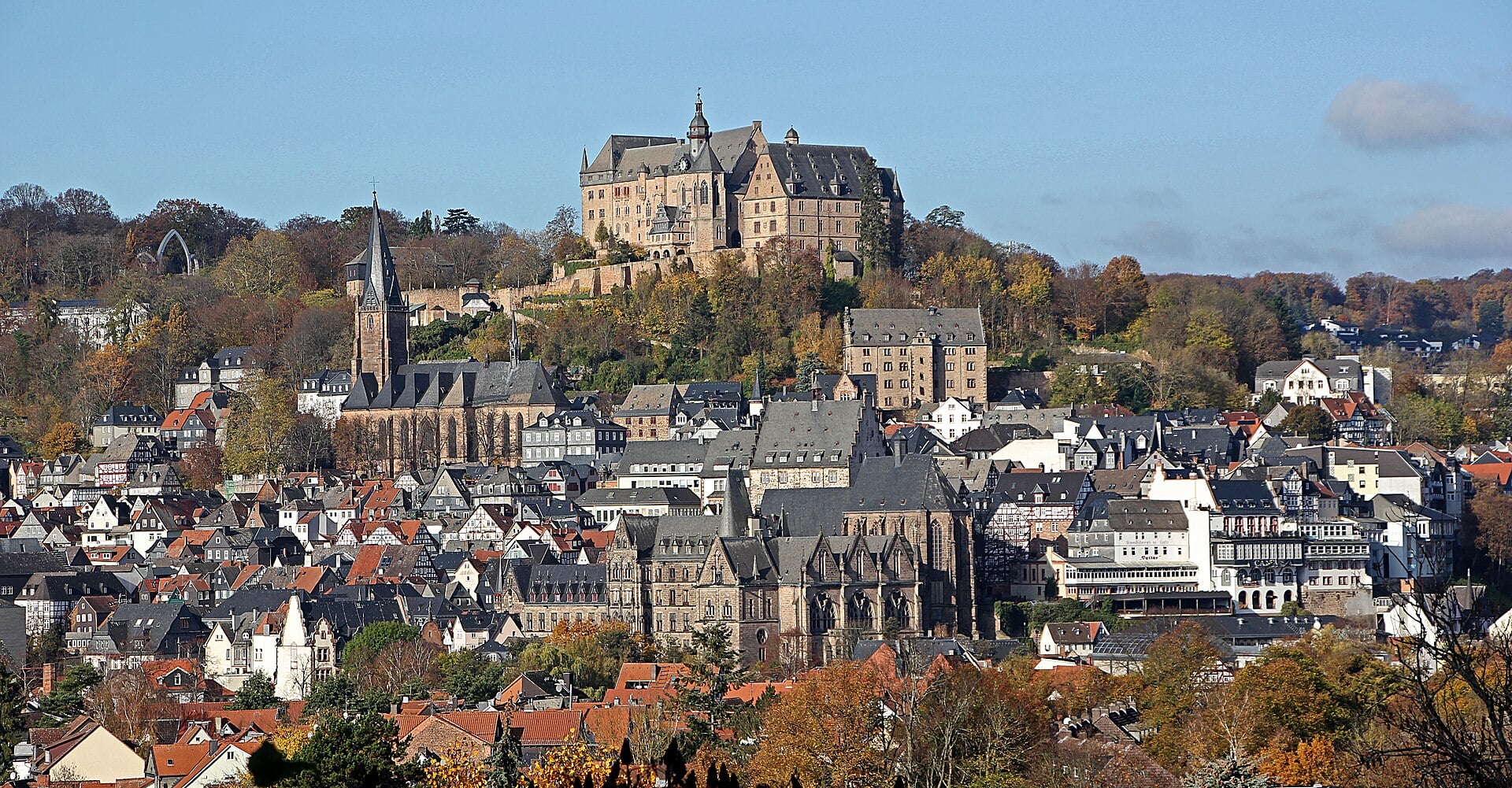
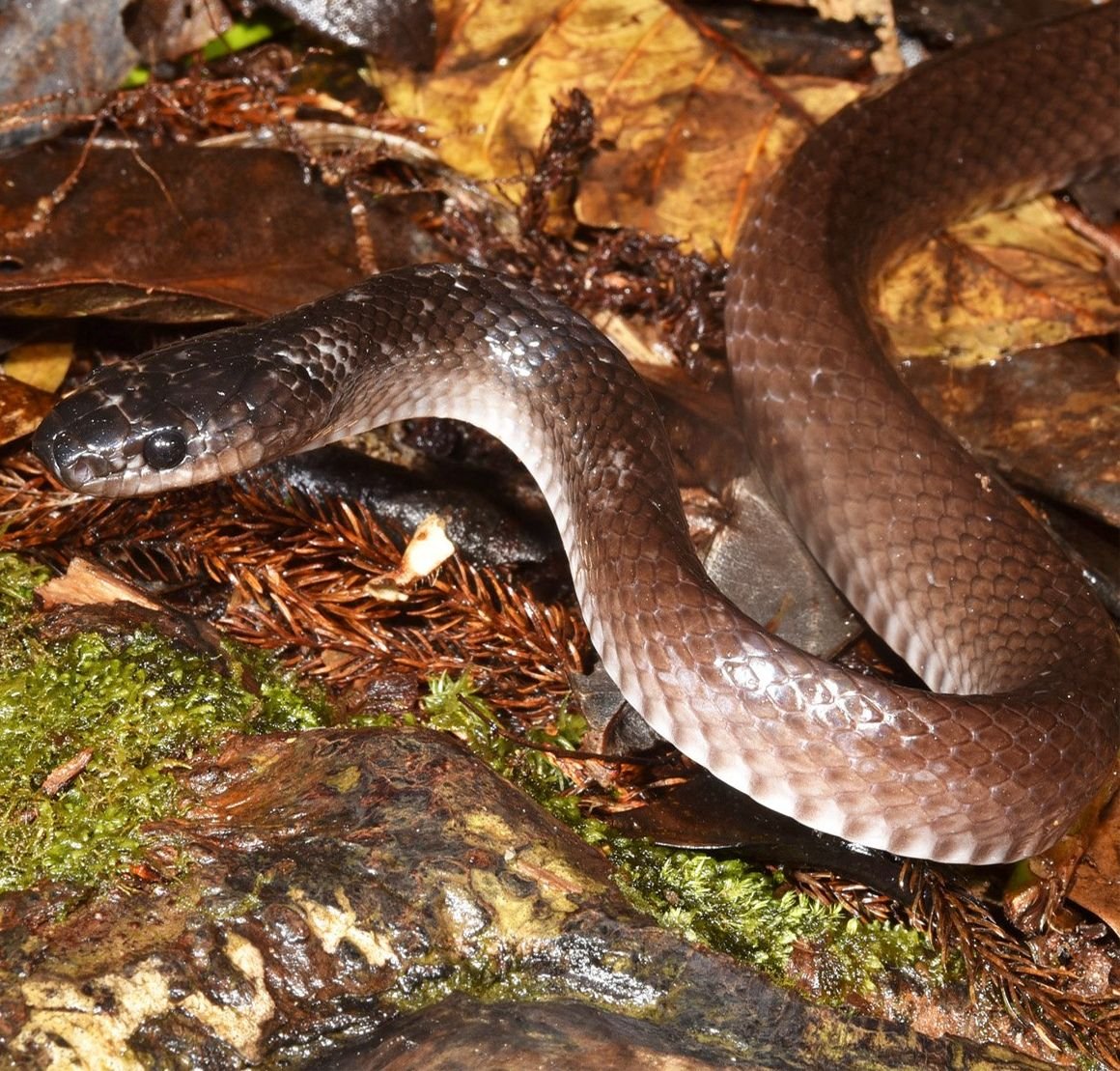
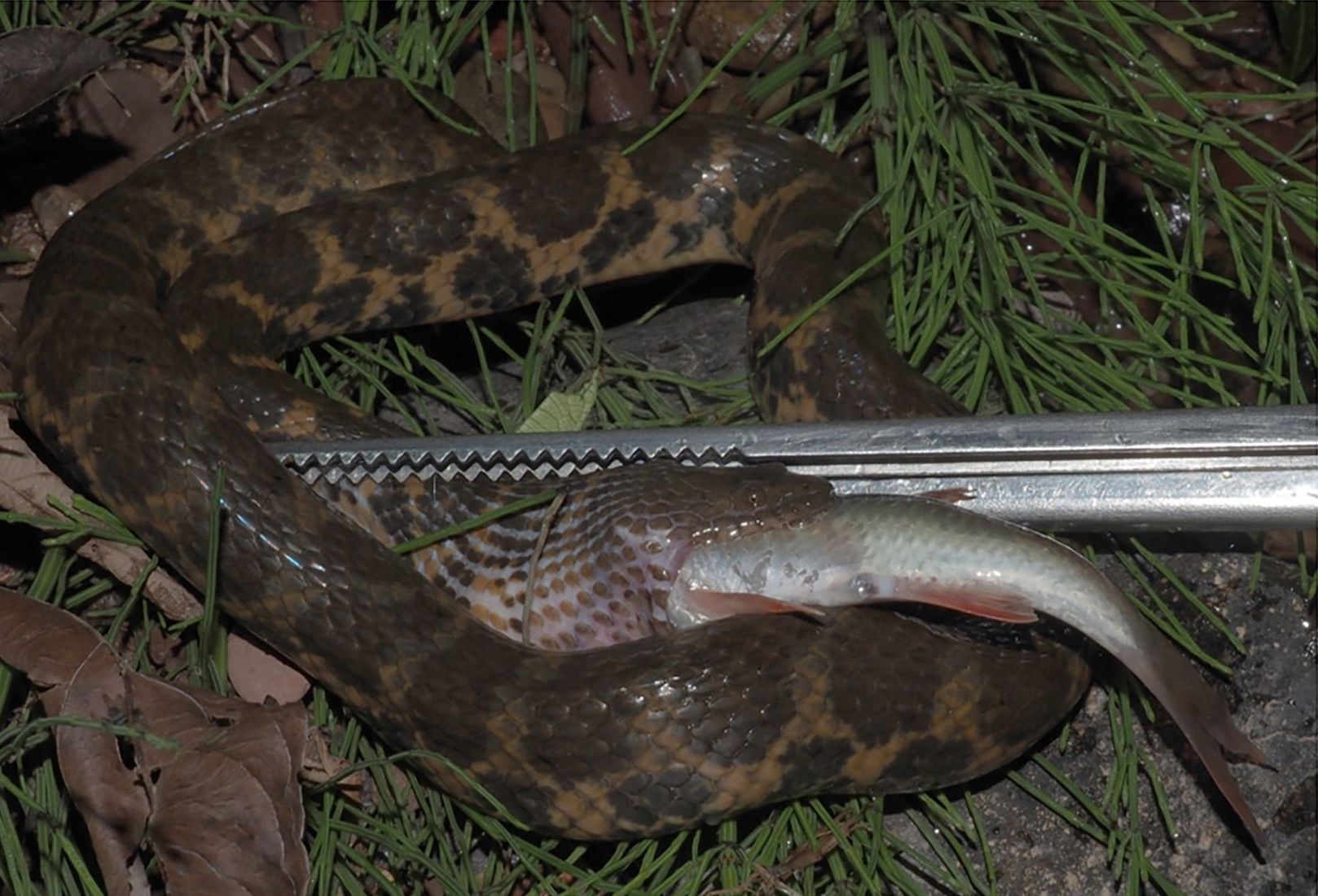
In 2012 Christine began a doctorate at Philipps-Universität Marburg in Germany on Stegonotus, the Indo-Papuan groundsnakes, a genus of look-alike snakes that live east of Wallace's Line, from Borneo and the Philippines to New Guinea and Australia. The work meant tracing more than 160 years of names back to their original specimens in museums around the world. Her 73-page history of the genus appeared in Zootaxa in 2018. She described Stegonotus ayamaru from the Bird's Head Peninsula of West Papua in 2019 and S. caligocephalus from the mountains of Sabah in 2020, and received the degree of Doctor of Natural Sciences (Dr. rer. nat.) in July 2019. With Hinrich Kaiser, Sven Mecke and her frequent co-author Mark O'Shea she also named S. nancuro from Timor-Leste in 2021.
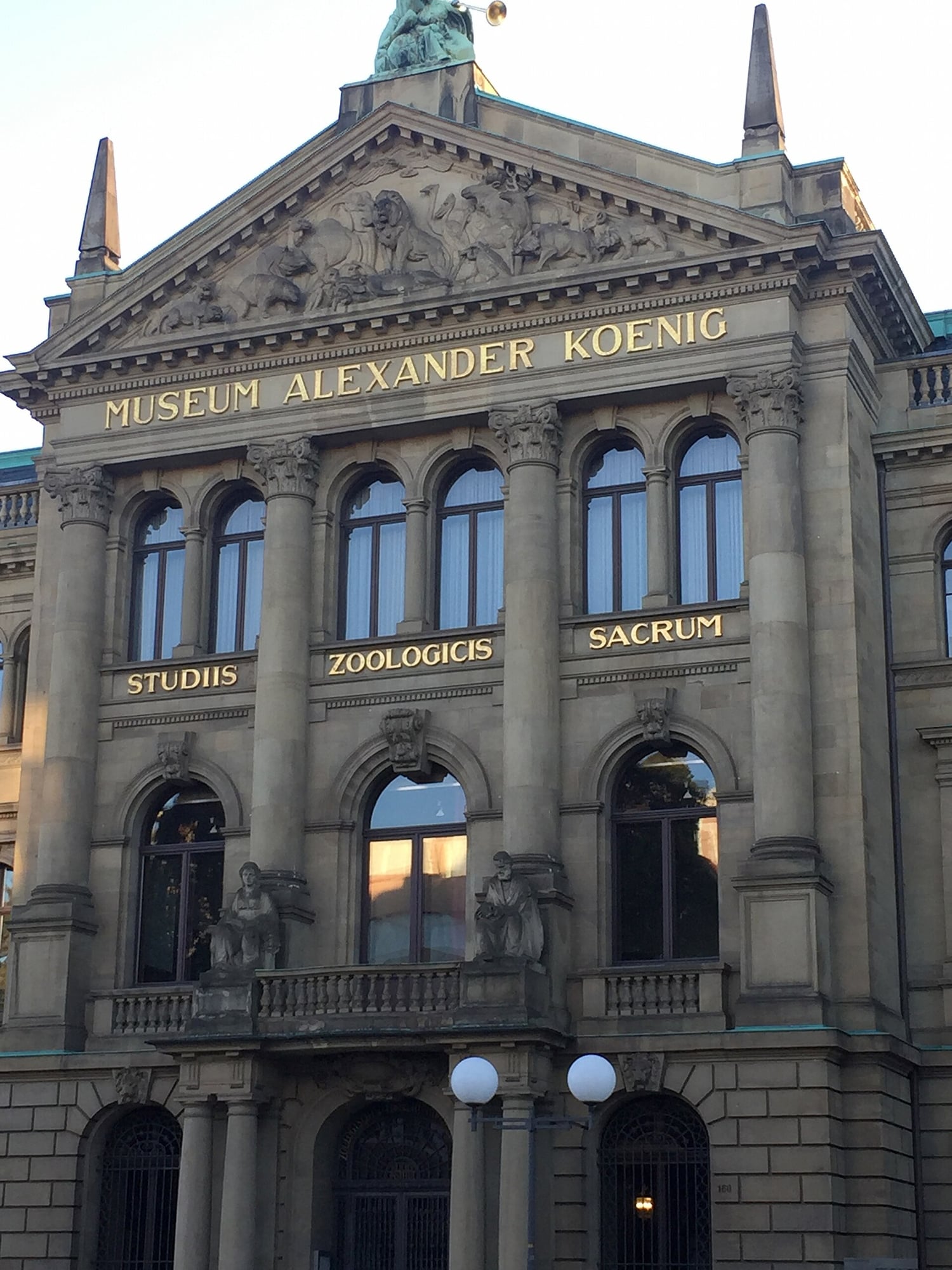
Along the way she and her co-authors worked out a portable, low-cost way to photograph preserved snakes in museum collections. She is a Guest Researcher in the herpetology section of the Museum Koenig in Bonn, part of the Leibniz Institute for the Analysis of Biodiversity Change.
Many hands
Christine is Managing Editor for Resources of Herpetology Notes, the journal of the Societas Europaea Herpetologica, and sits on the editorial board of Current Herpetology, the journal of the Herpetological Society of Japan. Much of her time goes into other people's papers. She copy-edits and helps revise manuscripts for the members of Kanto Nishikawa's lab at Kyoto University, and she has mentored early-career co-authors in Ghana, India, Nepal, Vietnam, Laos and Mexico. She is a member of the International Herpetological Committee of the World Congress of Herpetology (2025–2030) and served on the scientific committee of the 23rd European Congress of Herpetology in Bonn in 2025.
Kyoto and the giant salamanders
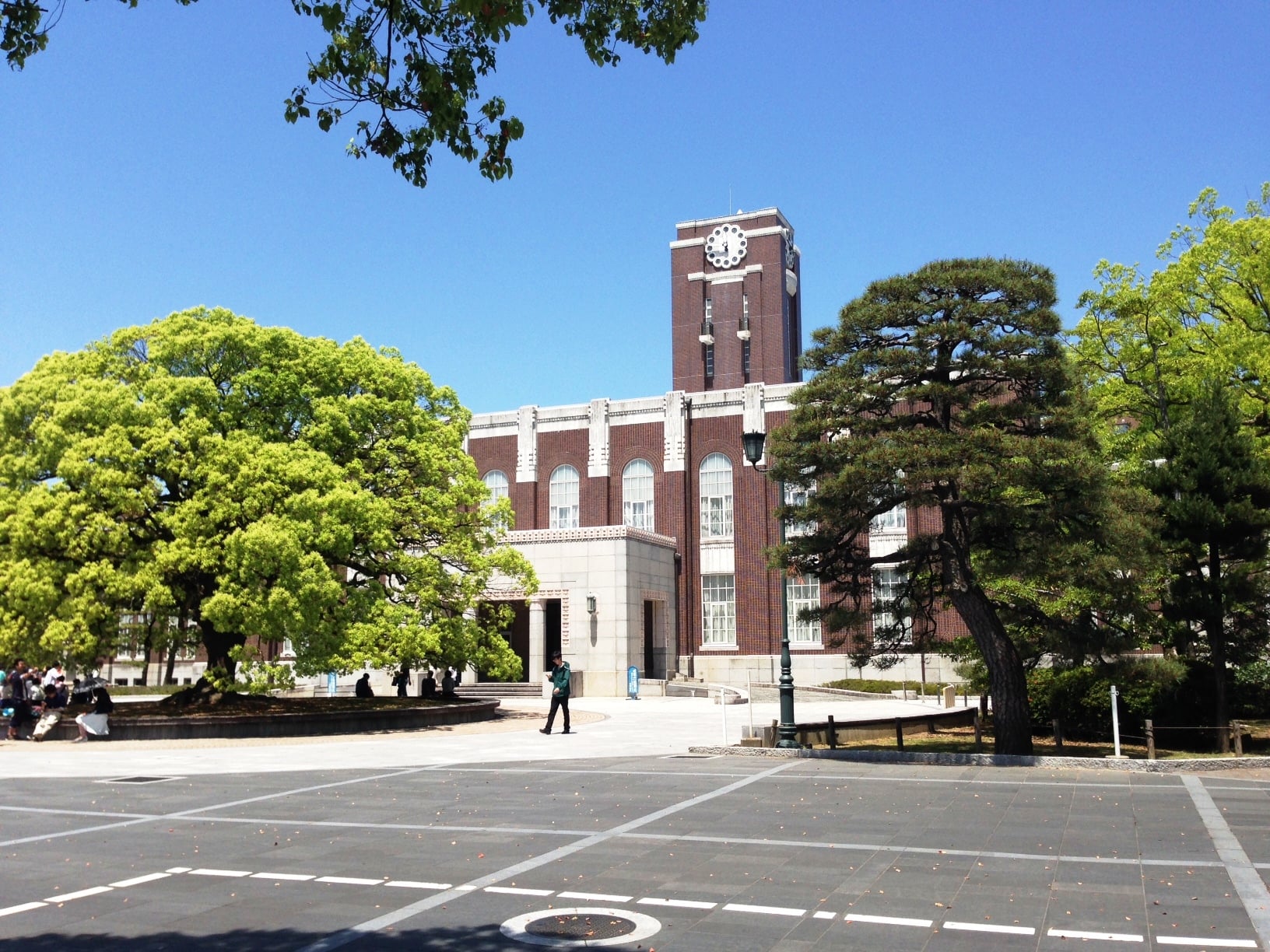
In April 2024 Christine joined Kyoto University as a Visiting Professor, hosted by Professor Kanto Nishikawa. She has since been a researcher and part-time lecturer in the Graduate School of Global Environmental Studies and, in the summers of 2025 and 2026, a Distinguished Visiting Professor at the Institute of Liberal Arts and Sciences, where in August 2025 she taught an intensive English course. In the spring of 2025 she also taught English for Special Purposes at the Vietnam National University of Forestry.
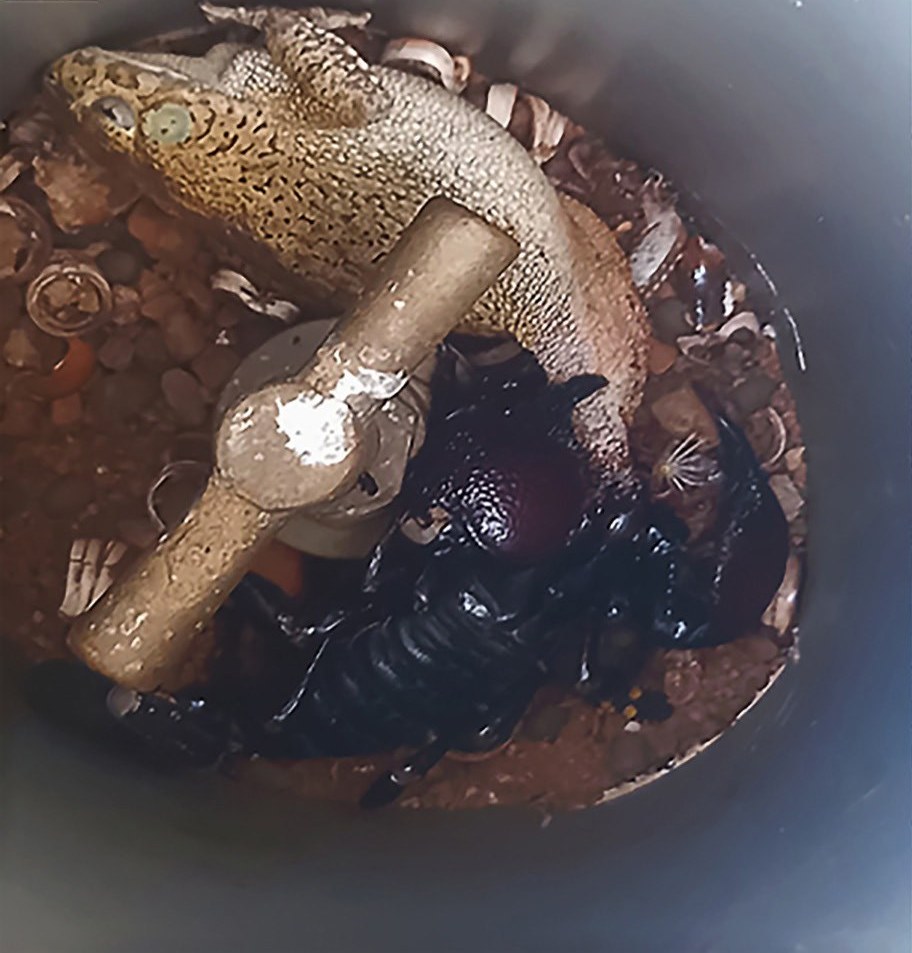
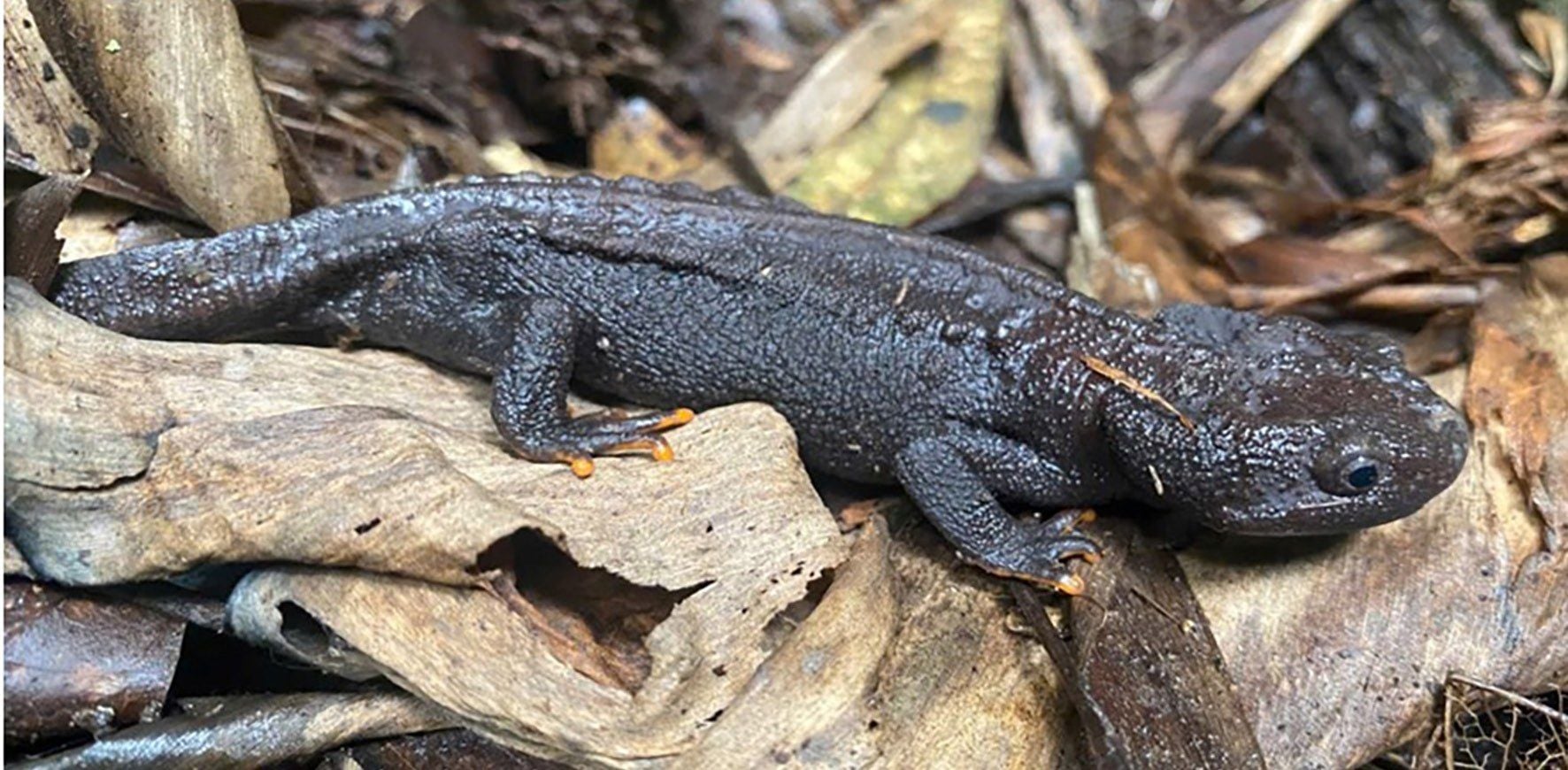
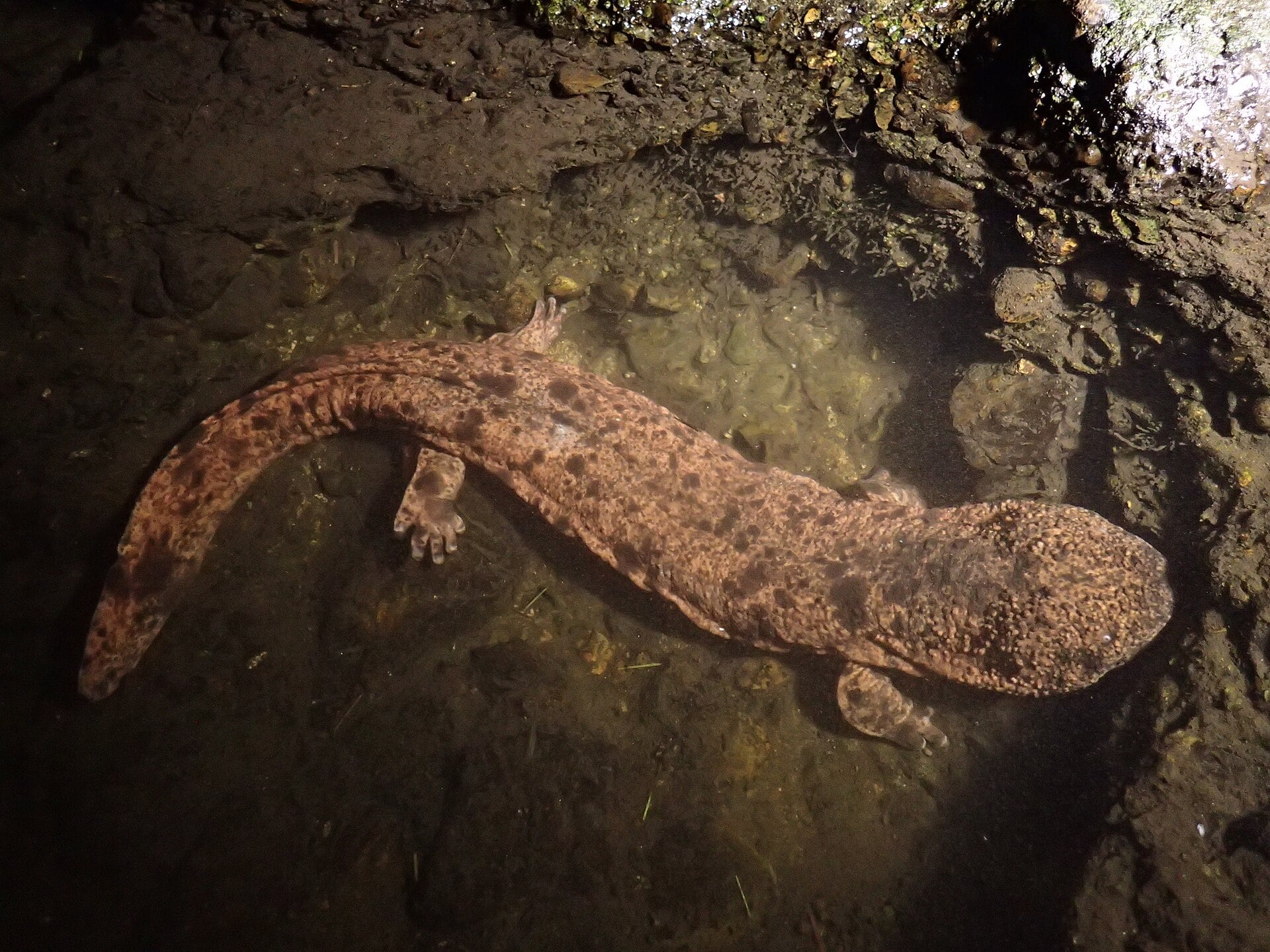
Her current work is on the Japanese giant salamander, Andrias japonicus, one of the largest amphibians in the world: a redesign of the artificial nests built to help the species, and the first reports of albino and piebald (partly white) giant salamanders. She is married to Hinrich Kaiser, herpetologist and co-author on much of her work.
Along the way
- 1982
Begins a degree in biological sciences at the University of California, Santa Barbara.
- 1987
Spends five weeks in Costa Rica's Monteverde cloud forest following sleeping anoles at night. Graduates from UCSB and starts a master's degree at the University of Colorado Boulder.
- 1989
Searches the sandstone hills of eastern Colorado with Hobart M. Smith for a relict population of fence lizards.
- 1990
First paper, with James Hanken, on the limb bones of the Jemez Mountains salamander. Begins PhD studies at the University of Kansas.
- 1991
Master's thesis on skull shape and prey choice in North American watersnakes.
- 1994
Co-author of a survey of the amphibians and reptiles of the Fort Riley Military Reservation, Kansas.
- 1995
Names her first species, the Peruvian frog Eleutherodactylus lirellus, and co-describes a second, Eleutherodactylus charlottevillensis from Tobago.
- 1997
Publishes her watersnake skull study with Hinrich Kaiser in the Journal of Herpetology.
- 2012
Begins a doctorate at Philipps-Universität Marburg on the Indo-Papuan groundsnakes, genus Stegonotus.
- 2018
Her 73-page history of the groundsnakes appears in Zootaxa, together with a low-cost method for photographing preserved snakes.
- 2019
Awarded the Dr. rer. nat. by Marburg. Names Stegonotus ayamaru from West Papua.
- 2020
Names the dark-headed groundsnake of Sabah, Stegonotus caligocephalus.
- 2021
Co-describes Stegonotus nancuro from the last coastal forests of Timor-Leste.
- 2024
Joins Kyoto University as a Visiting Professor, hosted by Kanto Nishikawa.
- 2025
Distinguished Visiting Professor at Kyoto University; teaches at the Vietnam National University of Forestry; joins the International Herpetological Committee of the World Congress of Herpetology.
- 2026
Shows, with Hinrich Kaiser and Kanto Nishikawa, that the old name Bufo praetextatus cannot be tied to any one toad. Works on Japan's giant salamanders.
Roles
- Distinguished Visiting Professor, Institute of Liberal Arts and Sciences, Kyoto University · Summers 2025, 2026
- Researcher and Part-time Lecturer, Graduate School of Global Environmental Studies, Kyoto University · 2024–2026
- Guest Researcher, Museum Koenig, Leibniz Institute for the Analysis of Biodiversity Change, Bonn
- Managing Editor for Resources, Herpetology Notes
- Editorial Board, Current Herpetology, Herpetological Society of Japan
- Member, International Herpetological Committee, World Congress of Herpetology · 2025–2030