The Wrong Frog
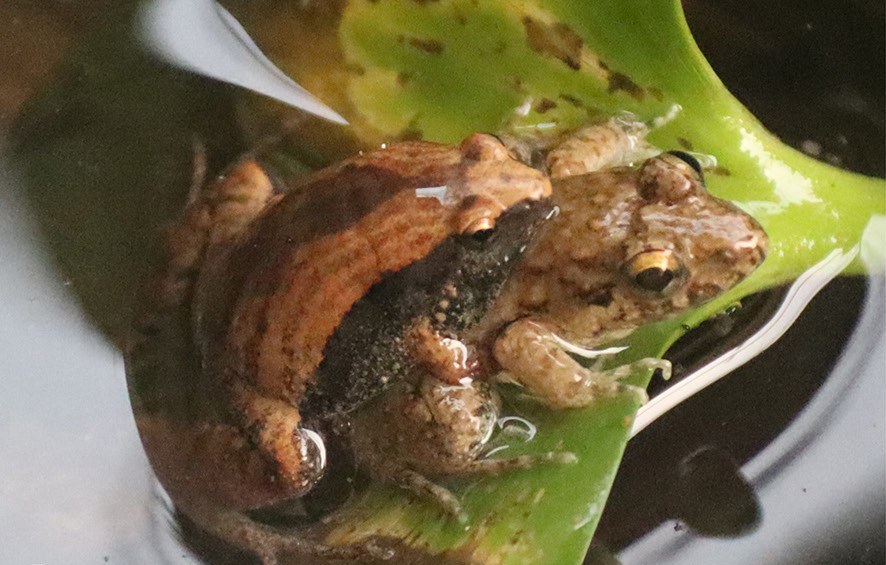
Photo: Tapil Prakash Rai, from Rai, Kaiser & Kaiser 2025, Herpetology Notes
On 16 May 2022, in a concrete pond at a turtle rescue centre in the lowlands of eastern Nepal, my colleague Tapil Prakash Rai noticed a pair of frogs that did not match. One was a tiny narrow-mouthed frog. The other was a much bigger cricket frog. And the tiny one was holding on to the big one in the unmistakable grip frogs use for mating.
Tapil watched them for an hour, photographed them, and then left them in peace.
What amplexus is
Most frogs do not mate the way mammals do. The female lays her eggs, and the male fertilises them outside her body as they come out. To be in the right place at the right moment, the male climbs onto the female's back and holds on tight, sometimes for hours. This embrace is called amplexus, from the Latin for "embrace".
Different frogs grip in different places. Some males clasp the female just behind her front legs. Others, like the narrow-mouthed frog in this story, grip her around the waist, just in front of the hind legs. Herpetologists call that inguinal amplexus, from the Latin for "groin".
It sounds like a simple system. The catch is that a male frog in the breeding season is very eager, and not always very careful.
Two frogs, two families
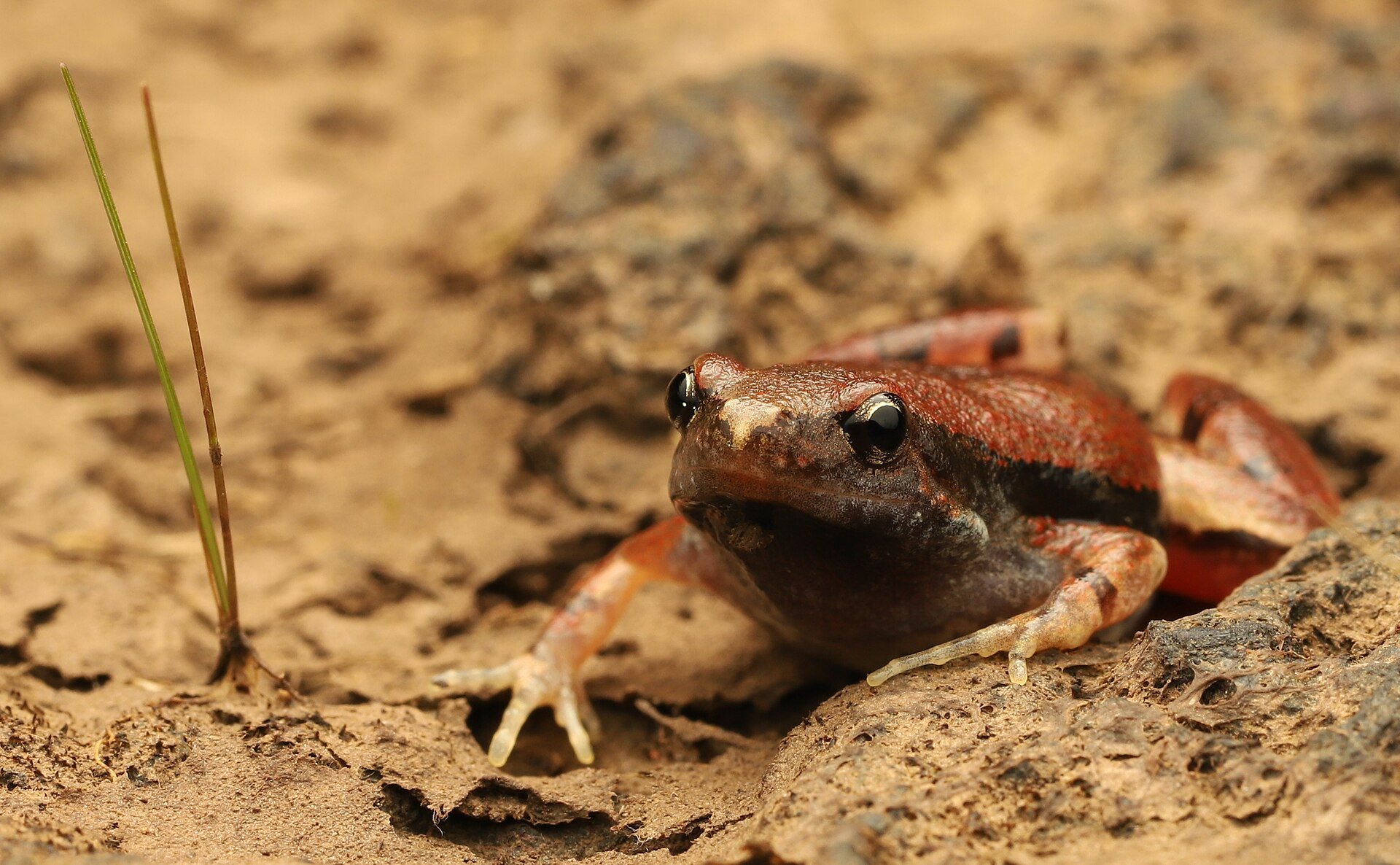
The small frog was a Nilphamarai Narrow-mouthed Frog, Microhyla nilphamariensis. It is one of the smallest frogs in Nepal: the animals from which the species was described in 2015 measured about 17 mm from snout to vent (the opening under the rear of the body), about the size of a thumbnail. It lives right across Nepal, from 70 to 1,700 metres above sea level. Males call in choruses near sunset on rainy days, from grass or leaf litter near the water.
The big frog was a Terai Cricket Frog, Minervarya teraiensis. Males reach 46 mm and females 53 mm, so a large one is roughly three times as long as the little narrow-mouthed frog. It lives in the lowlands of eastern Nepal and breeds in ponds and paddy fields from March to early June. The place where the species was first found, Birtamod, is only 4 km from the pond where Tapil made his observation.
These two frogs are not just different species. They belong to different families: Microhyla is a microhylid, one of the narrow-mouthed frogs, while Minervarya is a dicroglossid, one of the fork-tongued frogs. It is a bit like a sparrow courting a crow.
A pond full of frogs
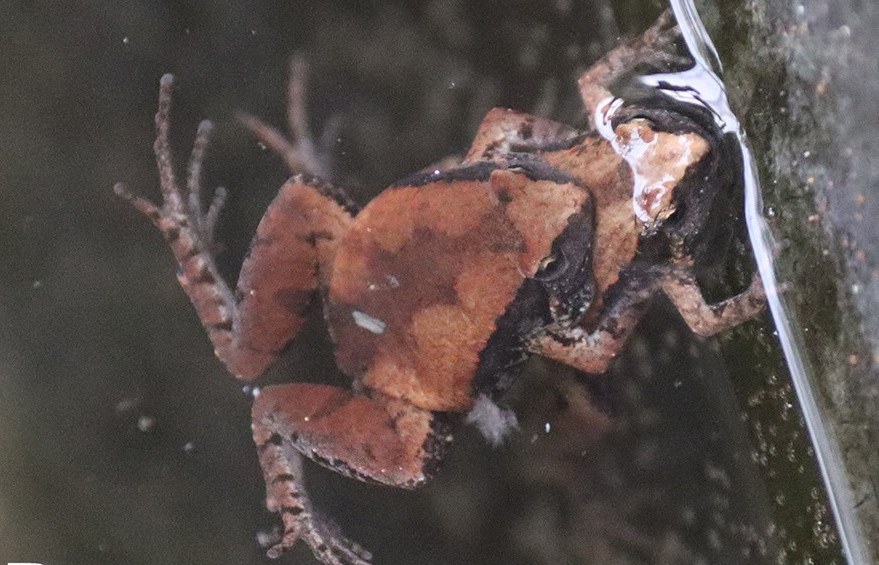
The pond was part of the Turtle Rescue and Conservation Centre in Arjundhara Municipality, Jhapa District, at 165 metres above sea level. The centre raises young turtles in concrete ponds of about 150 by 100 cm, with water up to 75 cm deep, inside a caged enclosure with a tin roof that keeps predators out. In the breeding season, frogs move in too.
When Tapil made his observation, the pond held at least 13 other frogs: four cricket frogs and nine narrow-mouthed frogs. Two other pairs of narrow-mouthed frogs were in amplexus at the same time, correctly matched with their own species. Floating Microhyla eggs were scattered across the water. The little male's mistake happened in the middle of a small frog wedding party.
Who grabbed whom
From its position and its grip, the narrow-mouthed frog was clearly the one that started it, so it must have been a male. And the cricket frog? From its size compared with the other cricket frogs in the pond, and from the dark markings on its throat pouch, we believe it was a male too.
When a male frog is grabbed by another male, he usually gives a release call, a special call that means, roughly, "let go, I'm not a female". Tapil heard no release call. The cricket frog did make occasional hops in the water, perhaps trying to shake off its rider.
Mistakes are common
Why would a frog make such an obvious error? Frogs mainly recognise their own kind by sound: each species has its own call. But in the breeding season some frogs also respond to sight and smell, and when a male is flooded with all these signals at once, he may grab almost anything. Scientists have recorded male frogs clasping females that have already laid their eggs, other males, frogs of very different species, dead frogs, salamanders and even objects.
These mistakes have a name, misdirected amplexus, and they are more common than you might think. A global database published in 2022 counted 282 cases between living animals, and 128 of them, 45 percent, involved frogs from different families. Most came from three large families of familiar frogs: true frogs, toads and treefrogs. A 2024 study went further and argued that such mistakes have happened since early in the evolution of frogs.
Tapil's observation was the first known case of these two particular species, and only the second record from Nepal of a frog clasping the wrong species. The first, in 2018, involved two treefrogs of the same genus in Chitwan National Park. A male narrow-mouthed frog grabbing a fork-tongued frog had been reported only twice before anywhere, both times in India.
More from Nepal
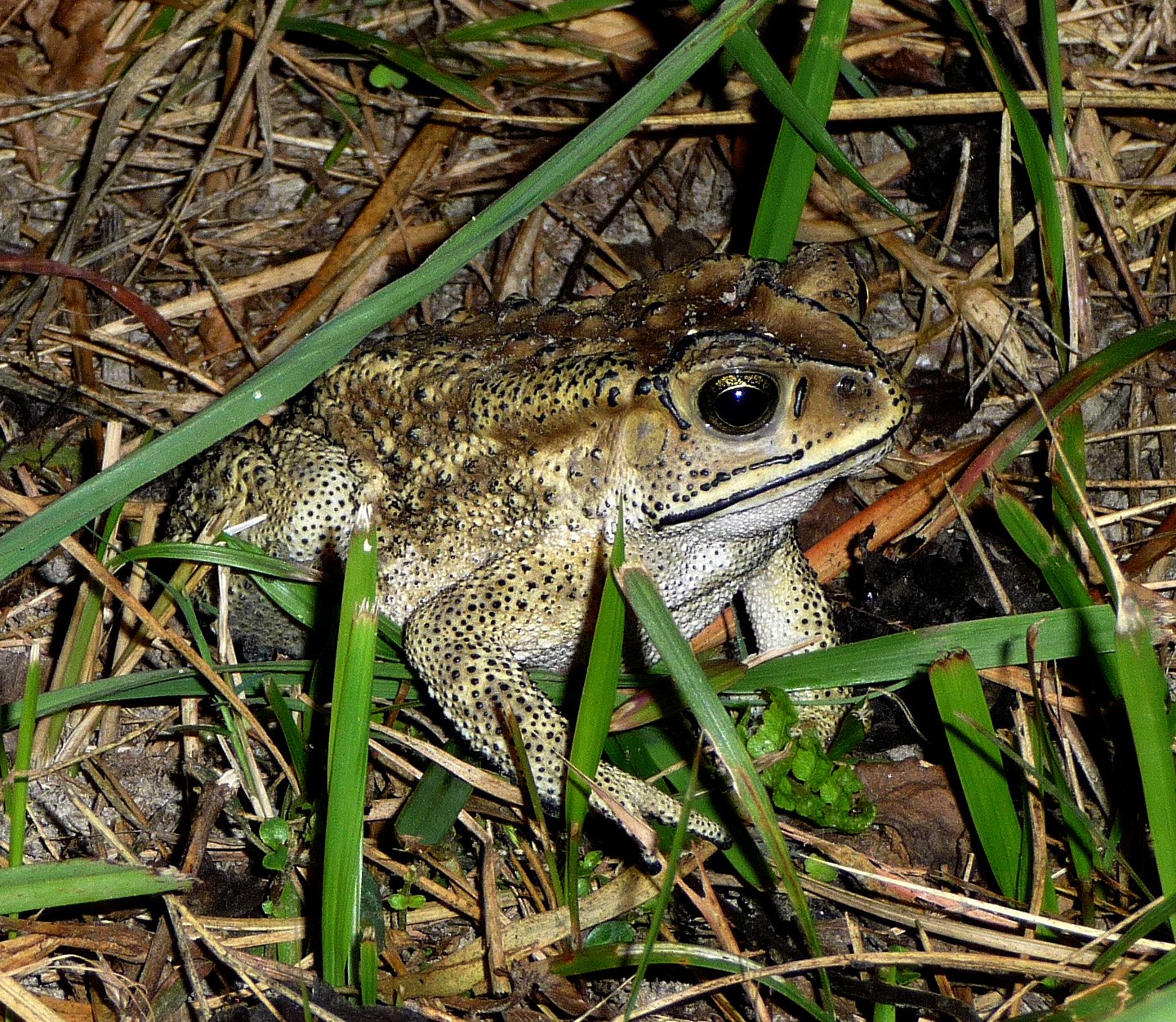
Hinrich and I work with Tapil on turning his observations into published notes. A second one is now in press in the journal Phyllomedusa: tadpoles of the Black-spined Toad, Duttaphrynus melanostictus, eating the eggs of Cope's Assam Frog, Hylarana leptoglossa, in Nepal. We usually picture tadpoles grazing peacefully on algae. These ones were eating the next generation of another frog species.
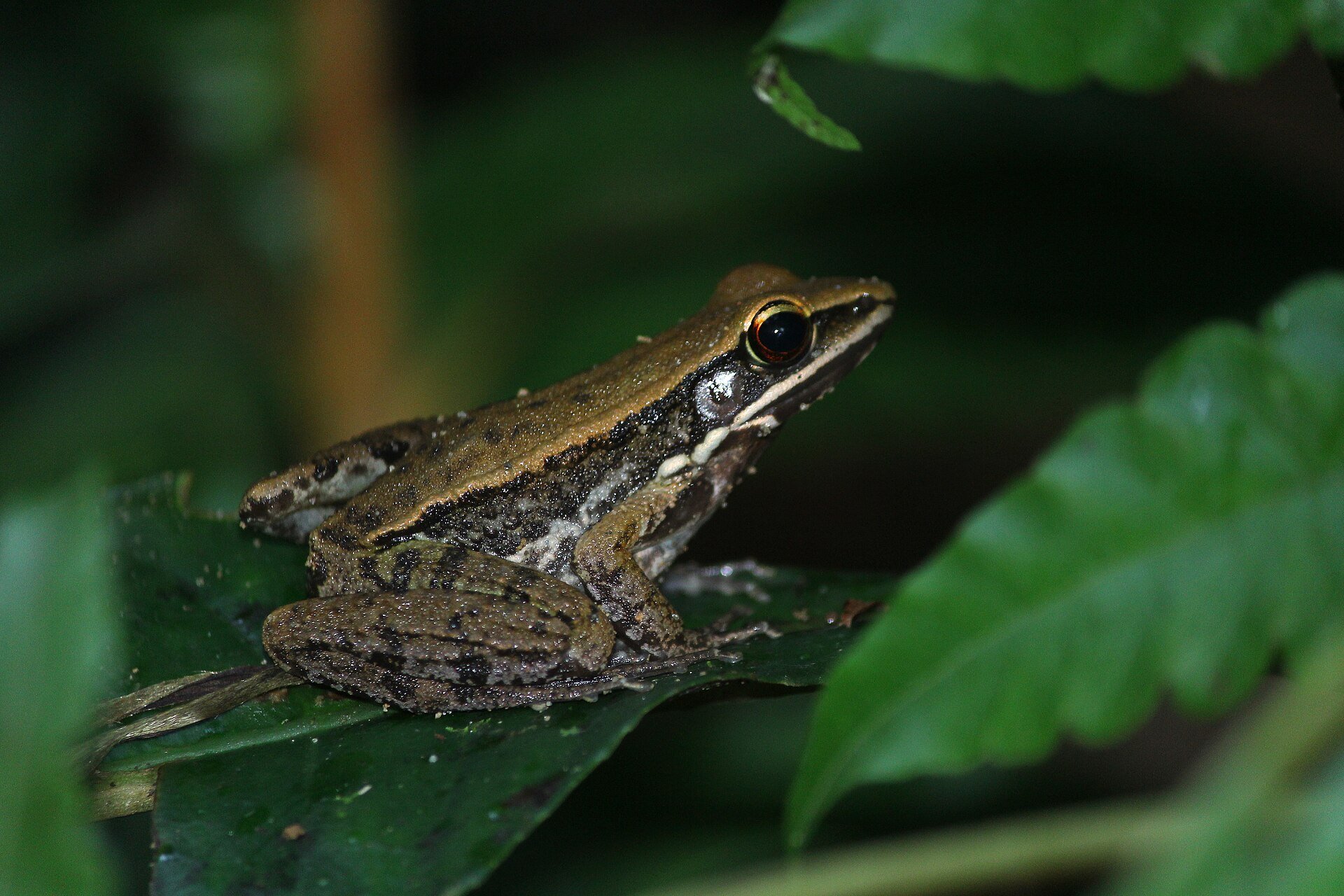
Neither of these observations needed an expedition. They needed someone paying close attention to the frogs around him, and taking the time to write down what he saw.
The papers
- (2025) Amplexus between frogs in different families: a microhylid Nilphamarai Narrow-mouthed Frog, Microhyla nilphamariensis Howlader et al., 2015, grasps a Terai Cricket Frog, Minervarya teraiensis (Dubois, 1984), in Nepal Herpetology Notes 18: 521–523
- (2026) Tadpoles of Black-spined Toad, Duttaphrynus melanostictus (Schneider, 1799), preying on eggs of Cope’s Assam Frog, Hylarana (Hydrophylax) leptoglossa (Cope, 1868), in Nepal Phyllomedusa In press