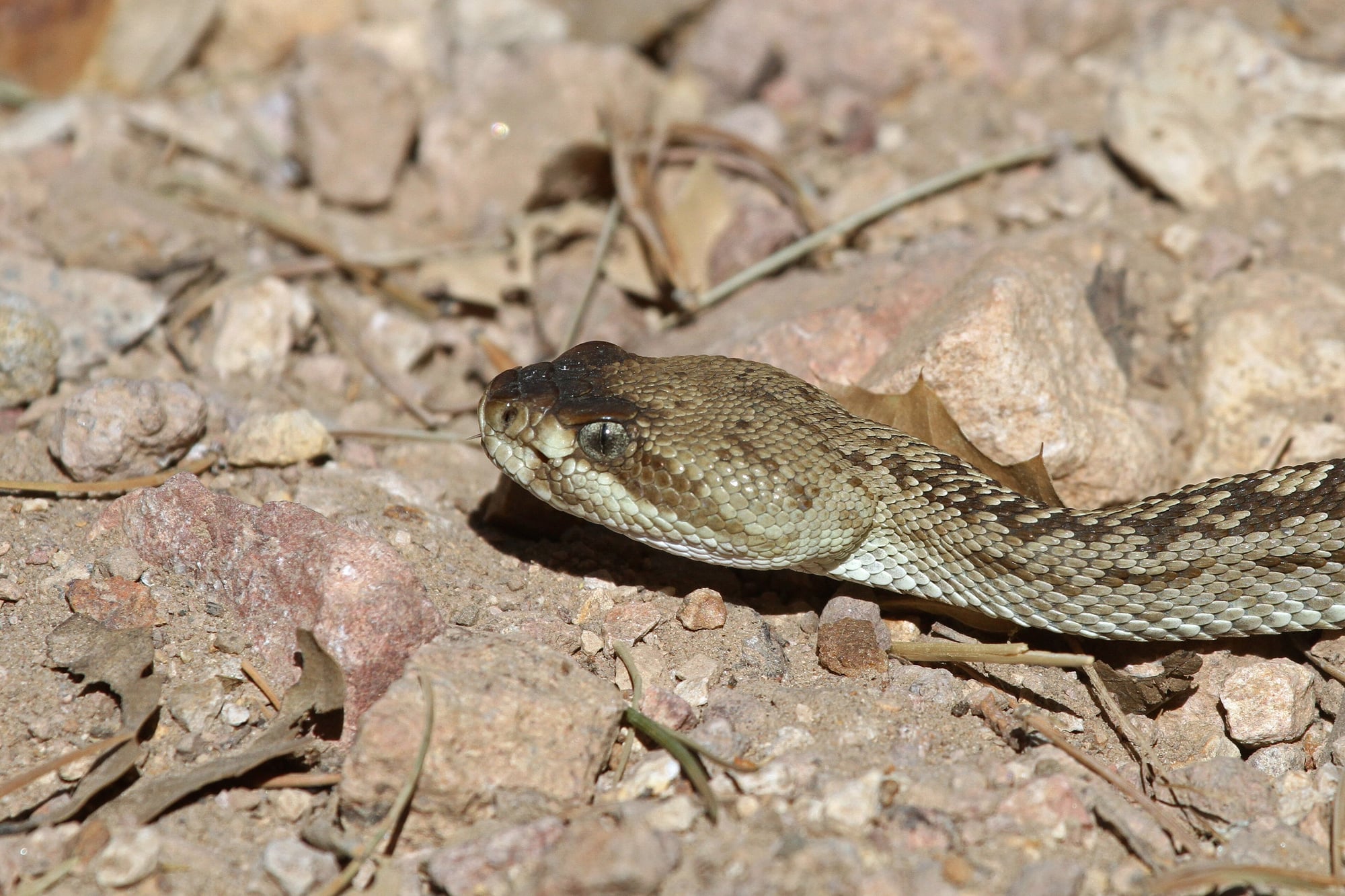
A Rattlesnake in the Medicine Cabinet
Photo: Greg Schechter, via Wikimedia Commons, CC BY 2.0
Ask people in rural Zacatecas how old a rattlesnake is, and many will count the segments of its rattle: one for each year of its life. It is a lovely idea, and it is wrong. Rattlesnakes can lose part or all of their rattle, and how fast a rattle grows depends more on how much food a snake finds and how often it is attacked than on the passing years.
That belief was one of many that Jesús Lenin Lara-Galván collected when he set out to learn what the people of Zacatecas know, believe and do about rattlesnakes. What he and his colleagues found ranges from medicine to killing to reverence.
Ten rattlesnakes and 240 conversations
Zacatecas is a dry, high state in north-central Mexico, covering almost 75,000 square kilometres, with 1.6 million people, 41 percent of them in rural areas. It is home to ten species of rattlesnakes (genus Crotalus). An eleventh, the ornate black-tailed rattlesnake, was confirmed there only after the survey was finished.
Rattlesnakes have a special place in Mexican culture. Snakes appear among the old gods of Mesoamerica, such as Quetzalcoatl, the Feathered Serpent. A rattlesnake even appears on Mexico's national coat of arms. But admiration is only half the picture. Rattlesnakes are feared, killed and sold.
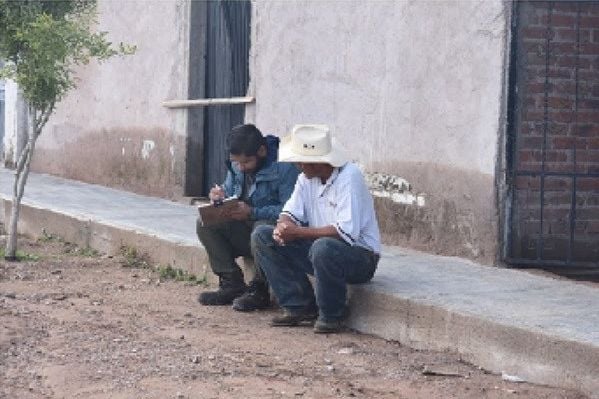
The survey grew out of Jesús's master's research. With Juan Felipe Martínez-Montoya, José J. Sigala-Rodríguez, Ernesto Peredo-Rivera, A. Márcia Barbosa and me as co-authors, the team conducted 240 interviews in 48 communities across 22 municipalities. The places were chosen using the team's earlier maps of where rattlesnakes are most likely to live. At each place, two of the five interviews were with people most likely to meet rattlesnakes: shepherds, farmers, stockbreeders and people who collect wild animals. The rest were chosen to include both women and men and every age group. The youngest person interviewed was 8, the oldest 102.
Pointing at pictures
People don't use scientific names, so the team brought a printed photo catalogue of the rattlesnakes of Zacatecas and asked each person to point to the species they had seen. Using picture cards in this way is a method Mark O'Shea and Hinrich Kaiser described from their surveys in Timor-Leste. The answers were then checked against where each species is actually known to occur.
Most people pointed to the black-tailed rattlesnake (51 percent), the rock rattlesnake (36 percent) and the western diamondback (25 percent). Some choices were probably mistakes. Several people picked the Mexican west coast rattlesnake, Crotalus basiliscus, in places where it has never been recorded; they had most likely seen a black-tailed or a Mohave rattlesnake with similar colours.
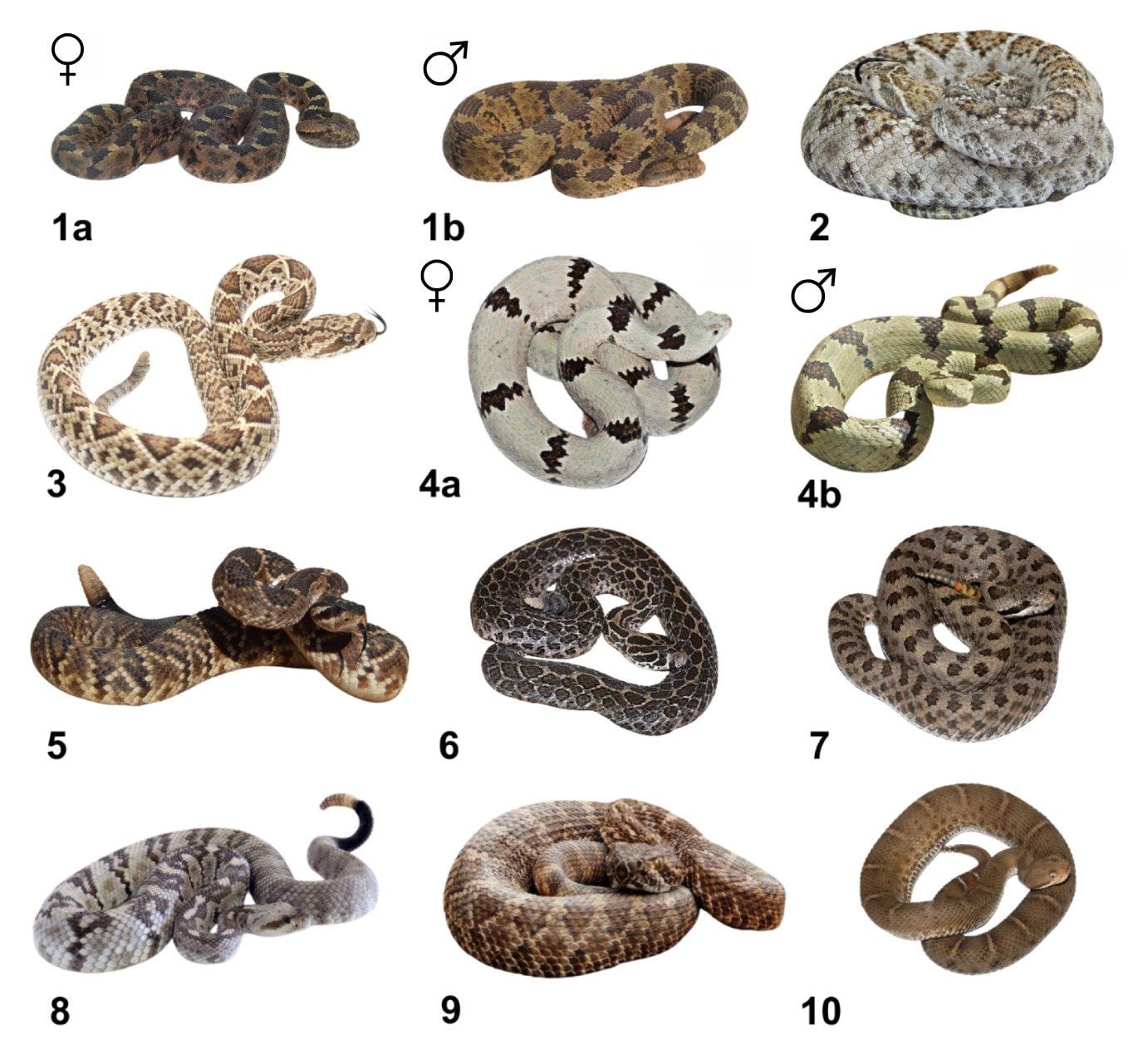
The older people knew a remarkable amount. Some of the oldest interviewees knew that in the rock rattlesnake, females are grey and males are green, a difference that scientists record as sexual dimorphism.
Almost everyone has met one
The first surprise was how common encounters are. Of the 240 people, 225 (94 percent) had met a rattlesnake. Most encounters were on highways and on paved or dirt roads, where the warm surface attracts cold-blooded animals, and fewer among rocks. Most happened in the afternoon, and most in late summer and early autumn, from August to October. Local people call this the brama, the mating season.
People also agreed on two things that may surprise anyone raised on cowboy films. The rattlesnakes they met were usually calm and not aggressive at first contact. Some considered a harmless snake, the Mexican pine snake or alicante (Pituophis deppei), more aggressive. And nobody said they noticed a rattlesnake by hearing its rattle. Everyone said they found them by seeing or touching them.
Fear, and a sin
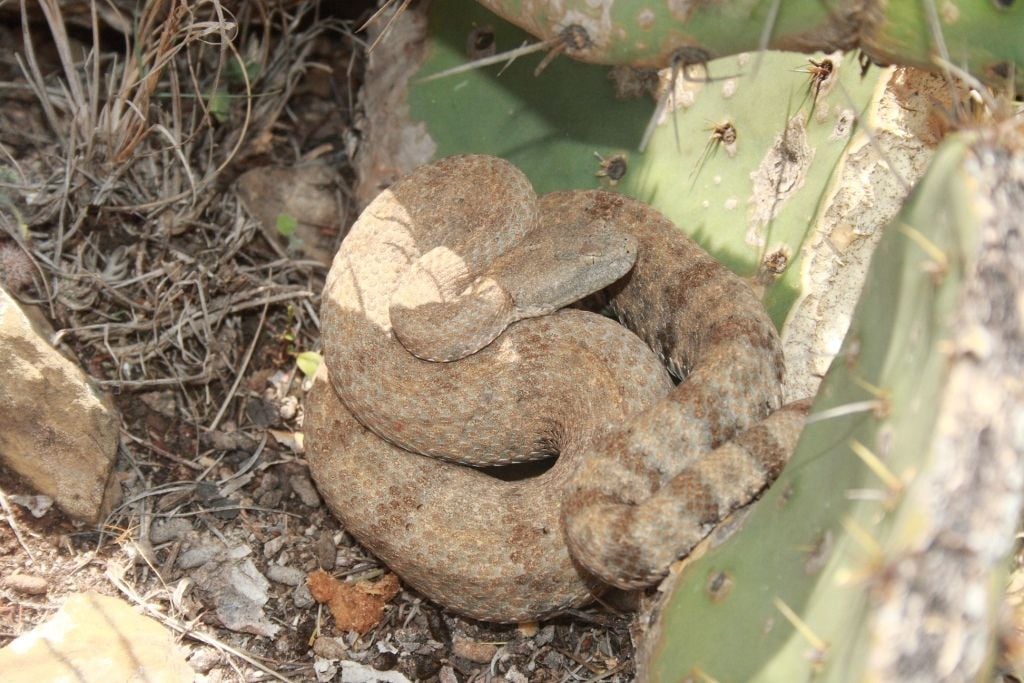
Fear runs deep. Of those interviewed, 138 (58 percent) had killed at least one rattlesnake. The reasons they gave were fear of a bite to themselves, their animals or their pets; medicine; selling the snake or its parts; food; the fact that the snakes are ugly; and, sometimes, no reason at all.
Some beliefs make killing a duty. Several people said it was a sin to let a rattlesnake live when you had the chance to kill it, because it might later bite and kill someone else. Others said that even if you survive a bite, the fang marks will "sprout" again in later years. And rattlesnakes were said to take out their fangs before drinking, so as not to poison themselves.
The oldest group, aged 85 to 102, were the most hostile: 80 percent of them kill rattlesnakes, and they did not think the snakes mattered to nature. Every other age group recognised that rattlesnakes are important, for example by eating rodents, rabbits and hares that damage crops.
Snake in a capsule
The biggest reason for hunting rattlesnakes, though, is medicine. Almost half of the people surveyed (48 percent) had eaten part of a rattlesnake to treat an illness. They listed cancer, acne and skin blemishes, allergies, heart disease, rheumatism, muscle and joint pain, leprosy, herpes, diabetes and anaemia.
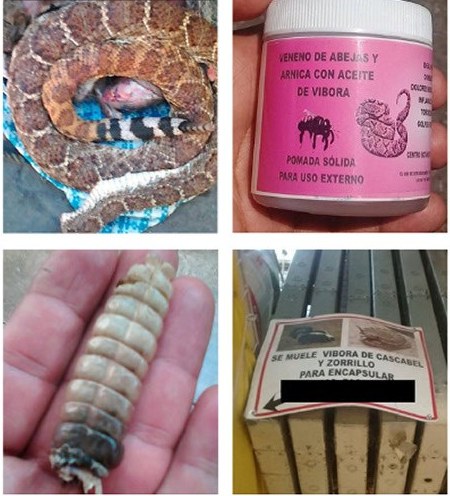
The methods are inventive. Rattlesnake meat without bones goes into stews. Skin, head, rattle or skeleton are dried, ground, and either sprinkled on food like table salt or packed into capsules said to purify the blood and help with weight loss. Ointments are said to prevent broken bones and chapped lips. The black-tailed rattlesnake and the western diamondback are eaten most. Adults have more meat, people said, but young snakes are more tender.
There is no scientific evidence that eating rattlesnake cures anything. There is evidence that it can make you ill: Salmonella bacteria have been found in fresh rattlesnake meat in the state of Chihuahua.
Five snakes a week
Rattlesnakes are also money. Their skins become belts, chair covers, shoes and handbags, and their rattles and fangs are set in resin for necklaces. A dead snake sells for 3 to 8 US dollars; a live one can fetch 27 dollars or more. The bigger the snake, the better the price.
One man sells rattlesnakes, rodents, rabbits, hares and skunks at the edge of a traditional market in the city of Zacatecas. He told the team he caught about five rattlesnakes a week, all from Villa de Cos Municipality, at about 8 dollars each, finding them when he dug into rodent burrows under prickly pears and agaves. But he said they were getting harder to find, within each season and from year to year, so he had turned to rabbits, hares and skunks. Those, he said, were becoming scarce too.
Bites and remedies
Most people who had been bitten were hurt the same way: they put a hand or foot into a hole to pull out a rodent. Most were wearing sandals, or no shoes at all. They described swelling, nausea, dizziness, vomiting, fainting, delirium and even temporary loss of vision.
Most treated the bite at home, with cow's milk, herbal infusions, sucking the wound, cold compresses, splints, tight bands to cut off circulation, and rest. Some of these do not work and can do harm. People chose them because the nearest hospital was far away, or because they could not travel, and some said that rural hospitals did not know which antivenom to use or how much.
Guardians of the forest
One group saw rattlesnakes completely differently. Members of the Wixárika people, who live on the border between Zacatecas and Jalisco, spoke of ku, snakes, as beings in their own right. For them, rattlesnakes are guardians of the forests, sent to Earth by their God to protect its resources. Their shamans can understand rattlesnakes and speak for them to God, and can treat illness, even a rattlesnake bite, with local plants, prayers and chants. To dream of rattlesnakes means a good rainy season and a successful harvest. And, they said, rattlesnakes are part of the food chain and should be respected like any other living being.
They were the only people in the survey who considered rattlesnakes sacred.
From fear to admiration
The survey found a divide between generations. Older people in the countryside know the most about rattlesnakes but are also the most afraid of them, and ideas about conserving them are rare in their traditions. Younger people, many from towns, know much less but want to protect them. Those in the two youngest groups asked to learn how to move a rattlesnake safely instead of killing it.
The team also identified the threats: collectors, mining, the loss of habitat, and domestic and feral cats, which kill rattlesnakes as well as lizards, birds and small mammals. All of these rattlesnake species are under special protection in Mexico.
"It is local populations who have the most frequent and close contact with these species in their daily lives." — Lara-Galván et al. 2026
The photo catalogue, the team suggests, can be more than a research tool. Made available in local languages, it can help people recognise the species around them and value what they already know. Jesús and his colleagues hope their work will lay the foundations for programmes that protect these persecuted snakes, starting with the people who live beside them.
The papers
- (2026) From fear to admiration: traditional and local knowledge about rattlesnakes (genus Crotalus) in Zacatecas, Mexico Herpetology Notes 19: 493–504